 EN
EN

Frequently asked questions
Toyota has delayed production by at least eight weeks because the vehicle needs additional adjustments. The new production start date and dealer-arrival window have not been announced.
The front-wheel-drive XLE has a 77.0-kWh battery and an estimated 287-mile range. All-wheel-drive versions are listed with either a 77.0-kWh battery and 270-mile estimate or a 95.8-kWh battery and 320-mile estimate. These figures are manufacturer estimates, not final EPA-certified results.
Toyota has not disclosed the exact mass-production date, updated dealer-arrival timeline, XLE and Limited pricing, final EPA range ratings, battery-warranty terms, or sales plans outside the U.S.
On July 11, 2026, Toyota clarified the launch timing for the new 2027 model-year Highlander. The company told industry outlets that the vehicle needed additional adjustments before production could begin, pushing the schedule back by at least eight weeks.
That changes the plan Toyota announced on June 22, 2026: at the time, the automaker expected to start building the electric Highlander at its plant in Georgetown, Kentucky, in September. The new production start date and the updated dealer-arrival window have not been announced yet. Toyota said it will update the schedule once the production line is confirmed ready.
How Toyota Highlander EV timing changed
Date | What happened |
January 27, 2026 | Toyota published the first teaser for a new large SUV without revealing the model name. |
February 2, 2026 | The automaker showed part of the three-row cabin and set the premiere for February 10. |
February 9, 2026 | Toyota confirmed that the new model would be called Highlander and would get an electric powertrain and three rows of seats. |
February 10, 2026 | The full 2027-model-year Highlander debut took place. The company said sales should begin at the end of 2026 and continue into early 2027. |
June 22, 2026 | Toyota said production of the electric Highlander in Kentucky was scheduled for September 2026. |
July 8, 2026 | Cars.com was the first to report the production delay, citing a Toyota representative. |
July 11, 2026 | Toyota clarified that the delay will be at least eight weeks, but did not give a new date. |
If you count eight weeks from the previously announced September target, production could theoretically still begin before the end of 2026. However, the wording "at least eight weeks" leaves room for a longer delay, so Highlander arrivals at dealers mainly in 2027 remain a likely scenario rather than a confirmed date.
What the new Highlander is
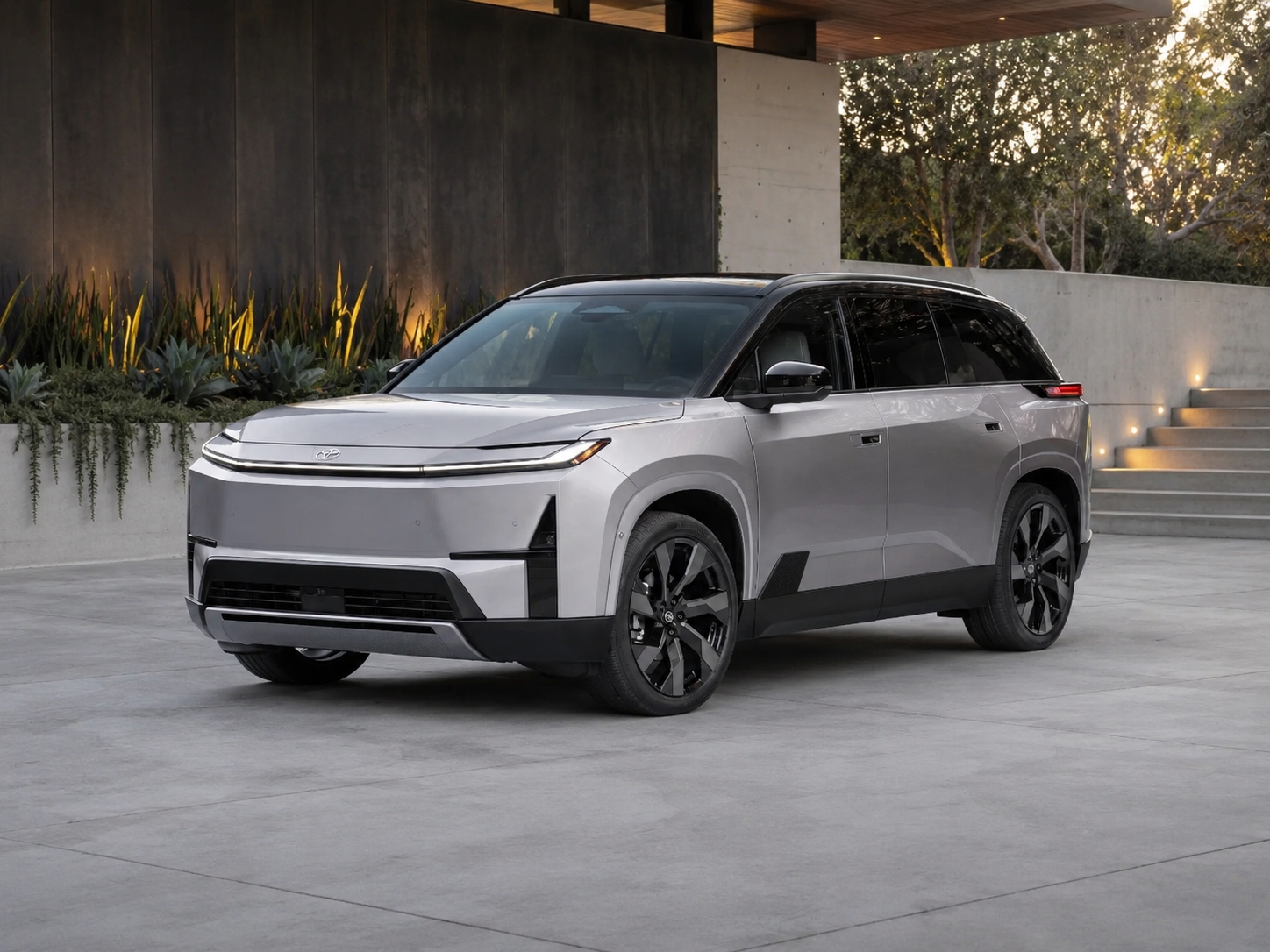
The new Highlander is a fully electric vehicle, not an add-on version of the previous crossover. According to Toyota, it is the brand’s first three-row battery electric vehicle for the U.S. market and the first Toyota EV to be assembled in the country.
The model is built on a modified TNGA-K platform adapted to fit a large traction battery under the floor. Detailed specifications, images, and equipment information are available in the official Toyota Highlander 2027 presentation.
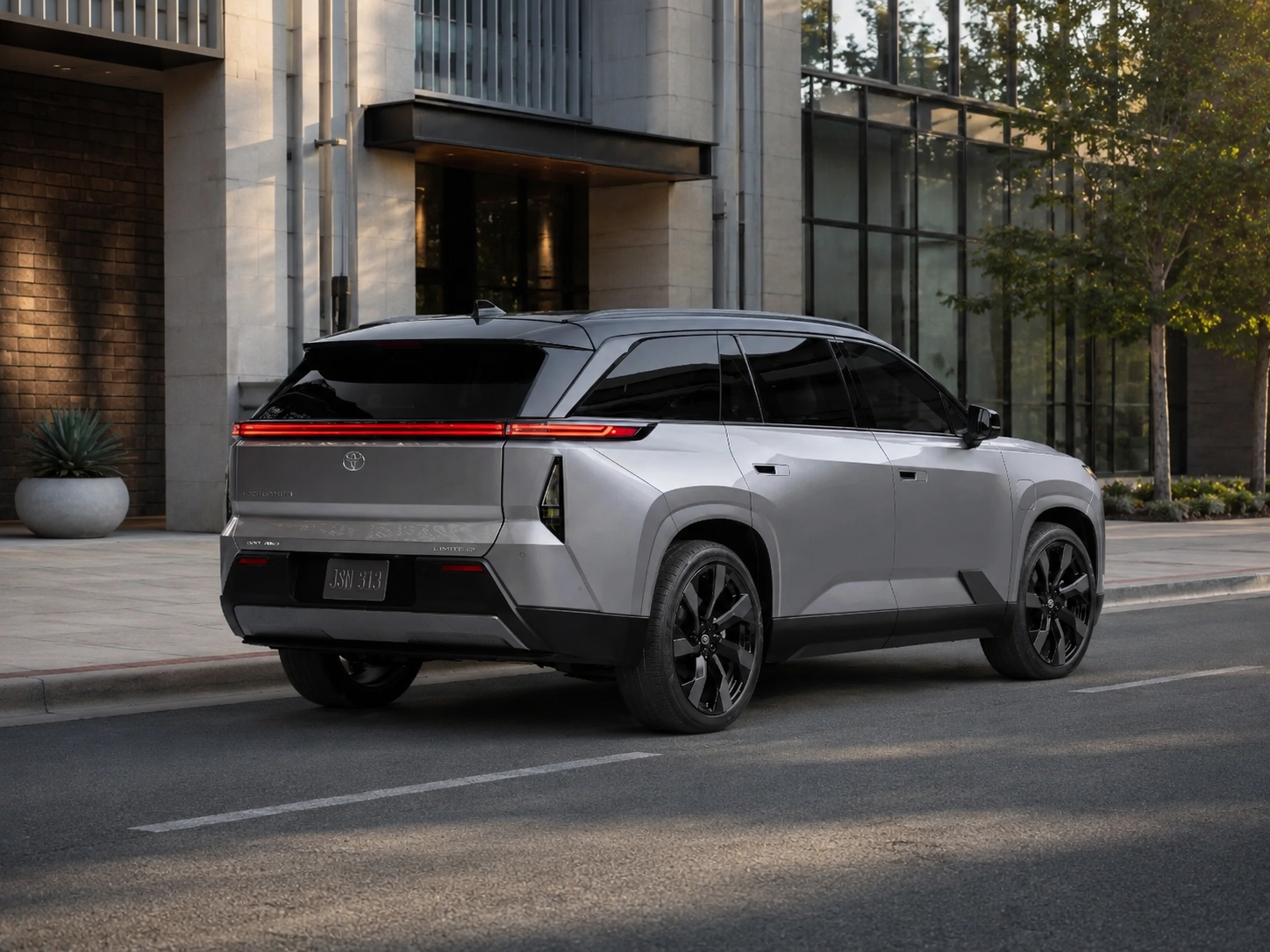
The crossover measures 198.8 inches long, with a 120.1-inch wheelbase. Compared with the outgoing Highlander, the roof is 0.8 inches lower, the body is 2.3 inches wider, and the wheelbase grows from 112 to 120.1 inches. Those proportions helped create more space between the axles and make room for three rows of seats.
Batteries, drivetrain, and estimated range
Trim | Drive | Battery | Power | Claimed range |
XLE | Front-wheel drive | 77.0 kWh | 221 hp | 287 miles, about 462 km |
XLE | All-wheel drive | 77.0 kWh | 338 hp | 270 miles, about 435 km |
XLE | All-wheel drive | 95.8 kWh | 338 hp | 320 miles, about 515 km |
Limited | All-wheel drive | 95.8 kWh | 338 hp | 320 miles, about 515 km |
All range figures are still manufacturer estimates, not final EPA-certified results. The real number will depend on temperature, speed, driving style, vehicle load, and climate-control use.
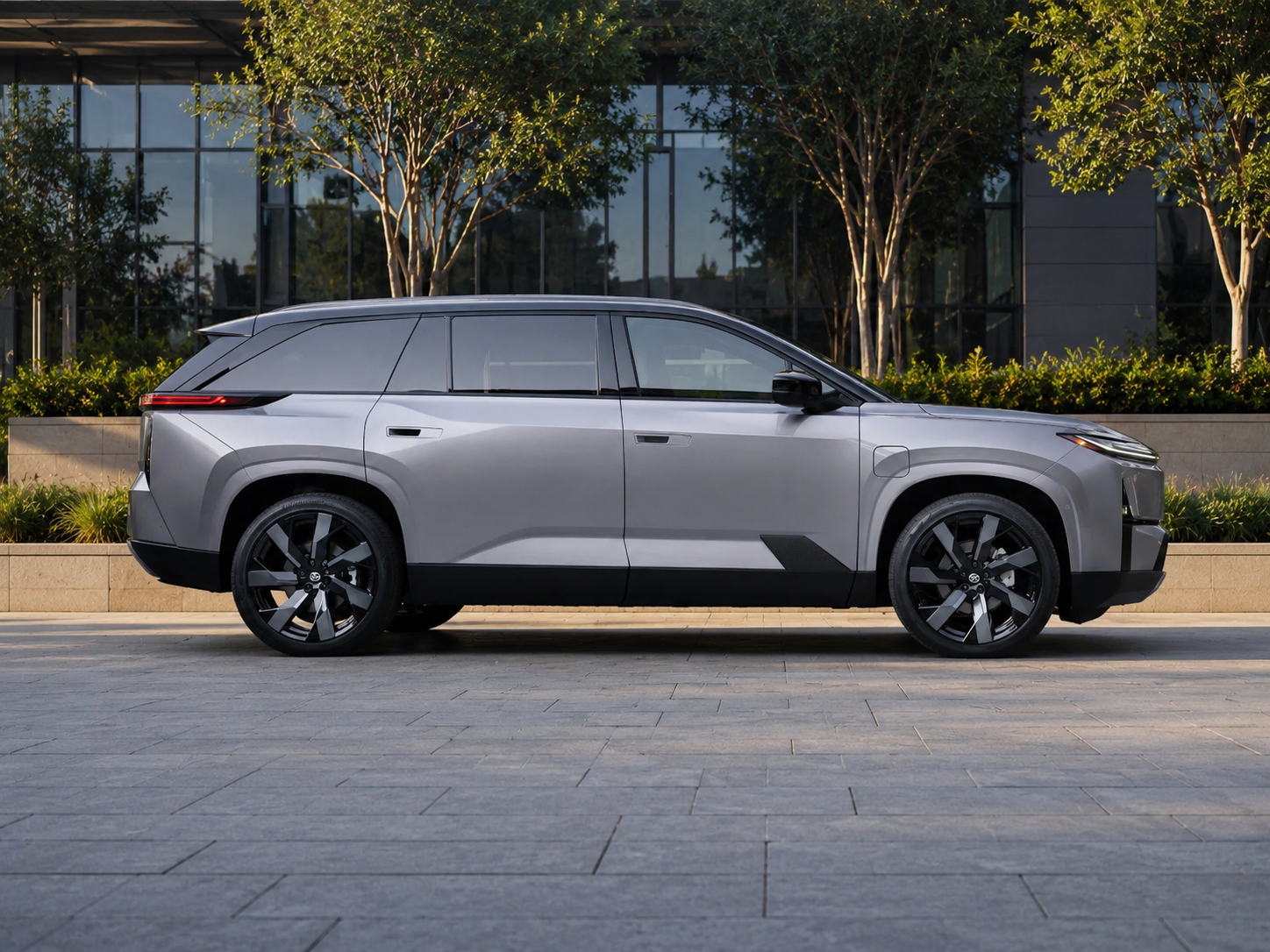
The front-wheel-drive Highlander gets a single electric motor rated at 221 hp. All-wheel-drive versions use two motors with a combined output of 338 hp. Toyota also lists Multi-Terrain Select and Crawl Control for all-wheel-drive models.
How Highlander EV will charge
For the U.S. market, the vehicle will use a NACS connector. When connected to a compatible DC fast charger, Toyota says the battery can go from 10 to 80% in about 30 minutes under suitable temperature conditions and other optimal circumstances.
Standard equipment will include an 11 kW onboard AC charger, a cable for 120V and 240V outlets, battery preconditioning before fast charging, and Plug & Charge. On the official future-model page, Toyota also notes support for bidirectional power transfer for home backup, the grid, or external equipment. Some functions will require compatible accessories and services.
Cabin and practicality
Highlander is designed for up to seven people. Separate captain’s chairs in the second row are standard, while the all-wheel-drive XLE will offer a bench seat. Cargo space measures 15.9 cubic feet with the third row raised and 45.6 cubic feet with the rear seats folded.
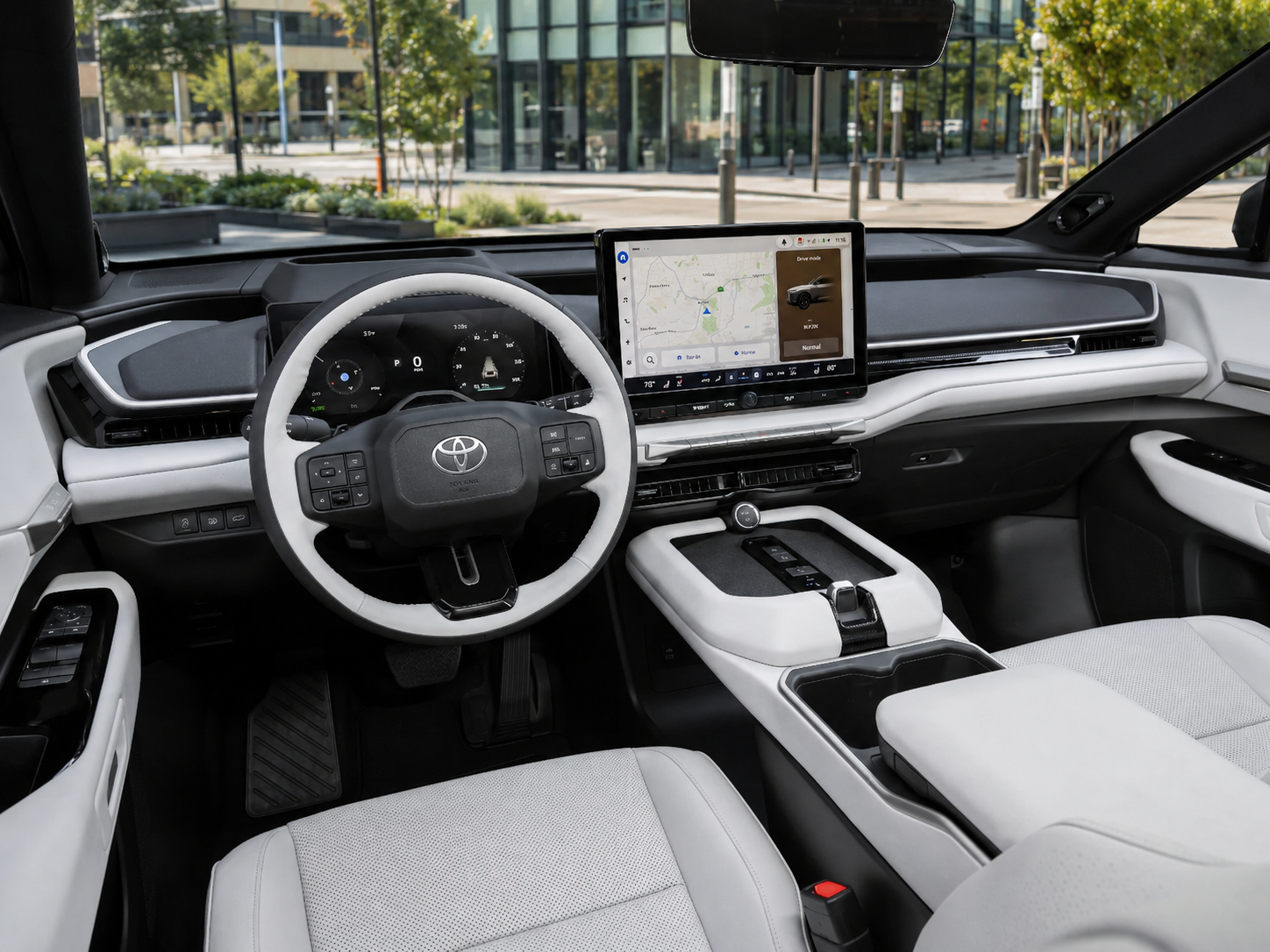
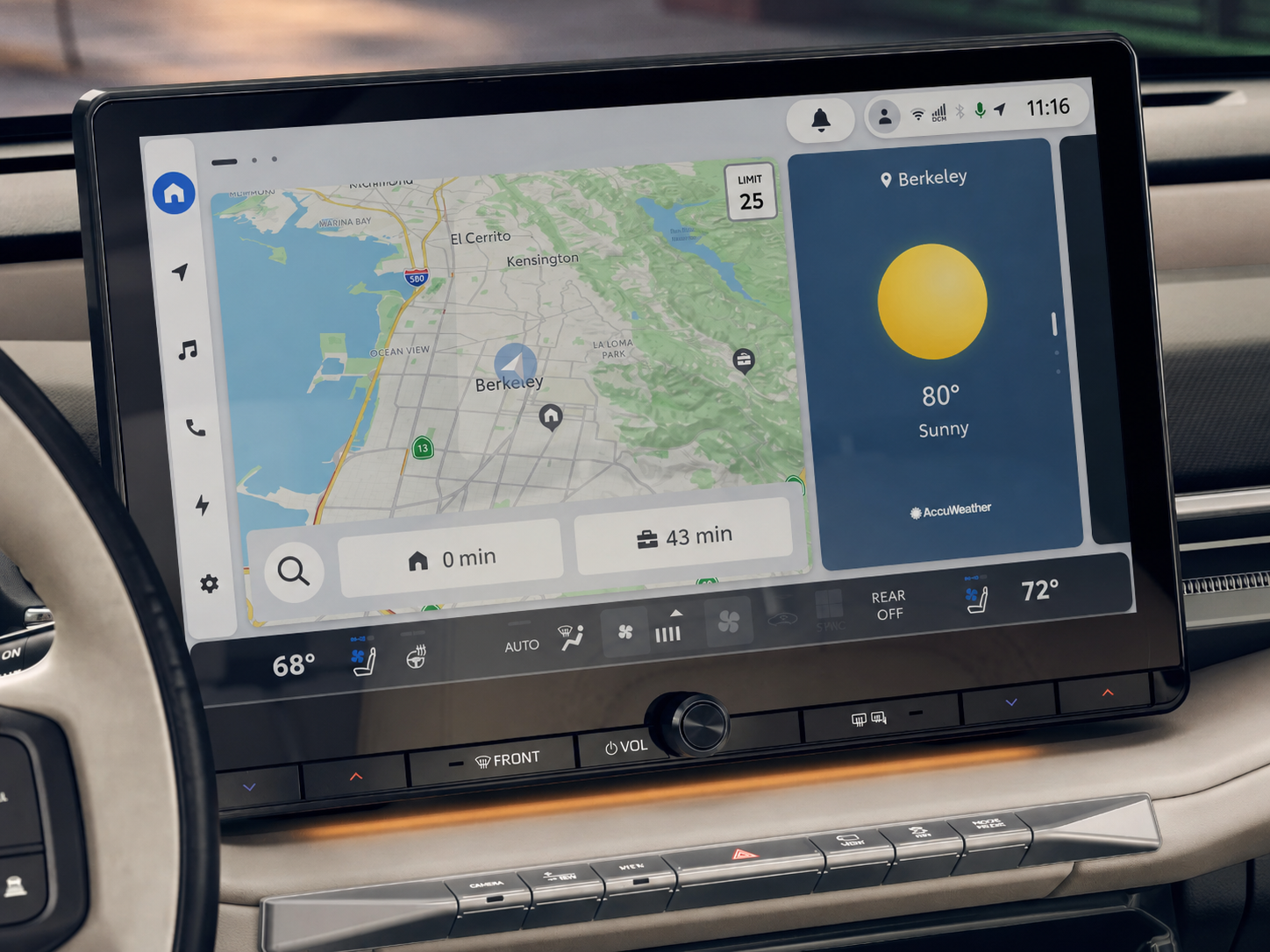
Announced equipment includes a 14-inch center display, a 12.3-inch digital instrument cluster, wireless Apple CarPlay and Android Auto, USB ports in all three rows, two wireless charging pads, heated front seats, and Toyota Safety Sense 4.0. The Limited adds ventilated front seats, heated second-row seats, a head-up display, and additional driver-assistance features.
Where the electric Highlander will be built
Assembly is planned at Toyota Motor Manufacturing Kentucky in Georgetown. Battery modules are expected to come from Toyota’s plant in Liberty, North Carolina, as well as from a U.S.-based supplier partner.
That was the reason September was named as the launch month for the Highlander BEV in Kentucky in Toyota’s June 22, 2026 statement. After the July delay, that target is no longer current.
What happens to the gasoline and hybrid Highlander
A Toyota representative confirmed to industry outlets that production of the 2026-model-year Highlander with gasoline and hybrid powertrains will continue through December 2026. That decision does not mean the earlier versions will remain part of the new generation: the 2027 electric Highlander is a separate, fully redesigned model.
Toyota did not reveal what exactly had to be adjusted on the EV. The company did not report problems with the battery, software, safety, or supply chain, so it is not possible to tie the delay to any of those causes without additional information.
What Toyota has not disclosed yet
the exact start date for mass production;
the updated dealer-arrival timeline;
prices for the XLE and Limited trims;
final EPA range ratings;
traction-battery warranty terms;
sales plans for Highlander EV outside the U.S.
As of July 12, 2026, only the minimum eight-week delay has been confirmed. The model’s technical specs remain as announced, but Toyota will need to update the launch calendar later. For buyers, that means it is still too early to judge Highlander EV availability or compare its price with other three-row electric crossovers.