 EN
EN

Frequently asked questions
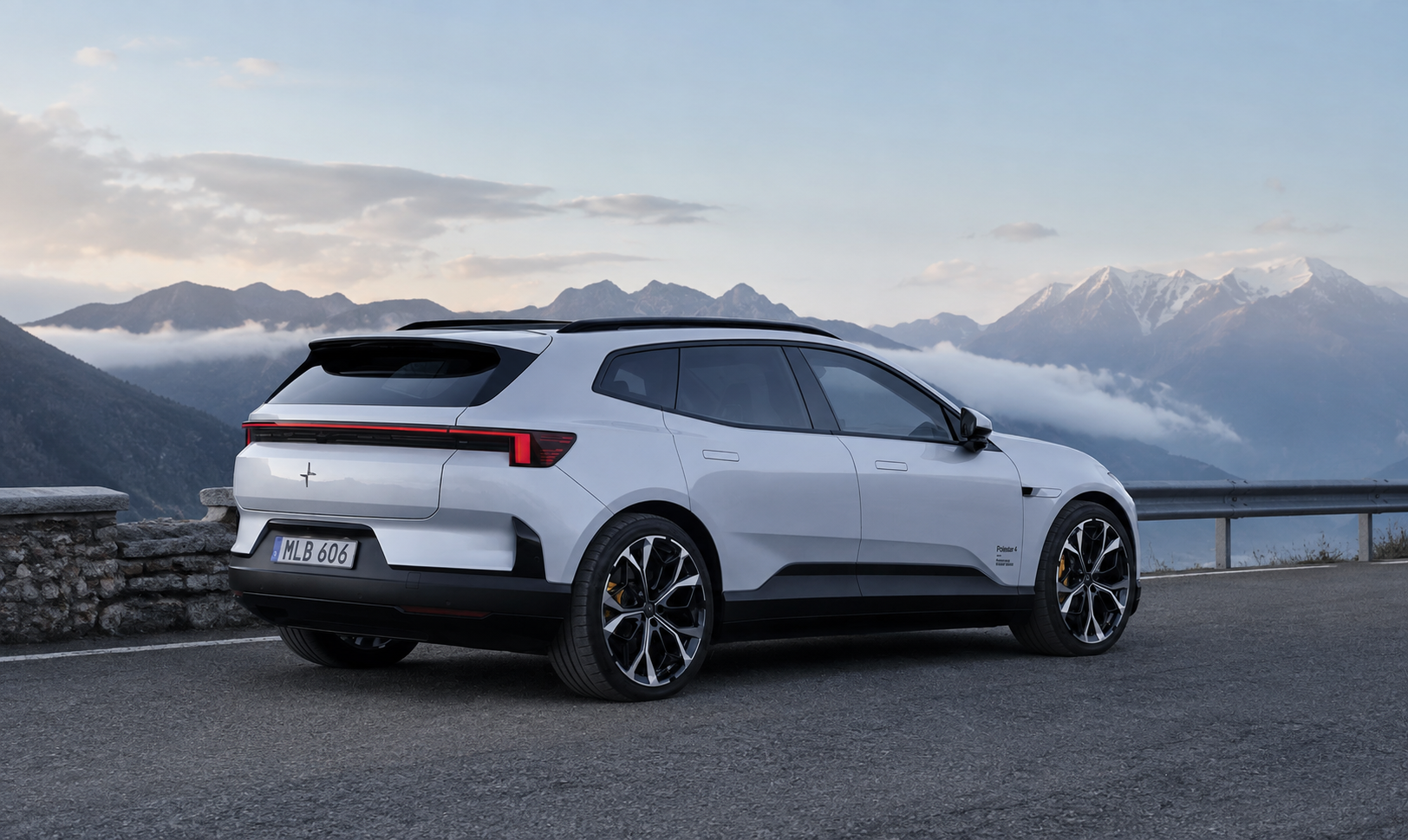
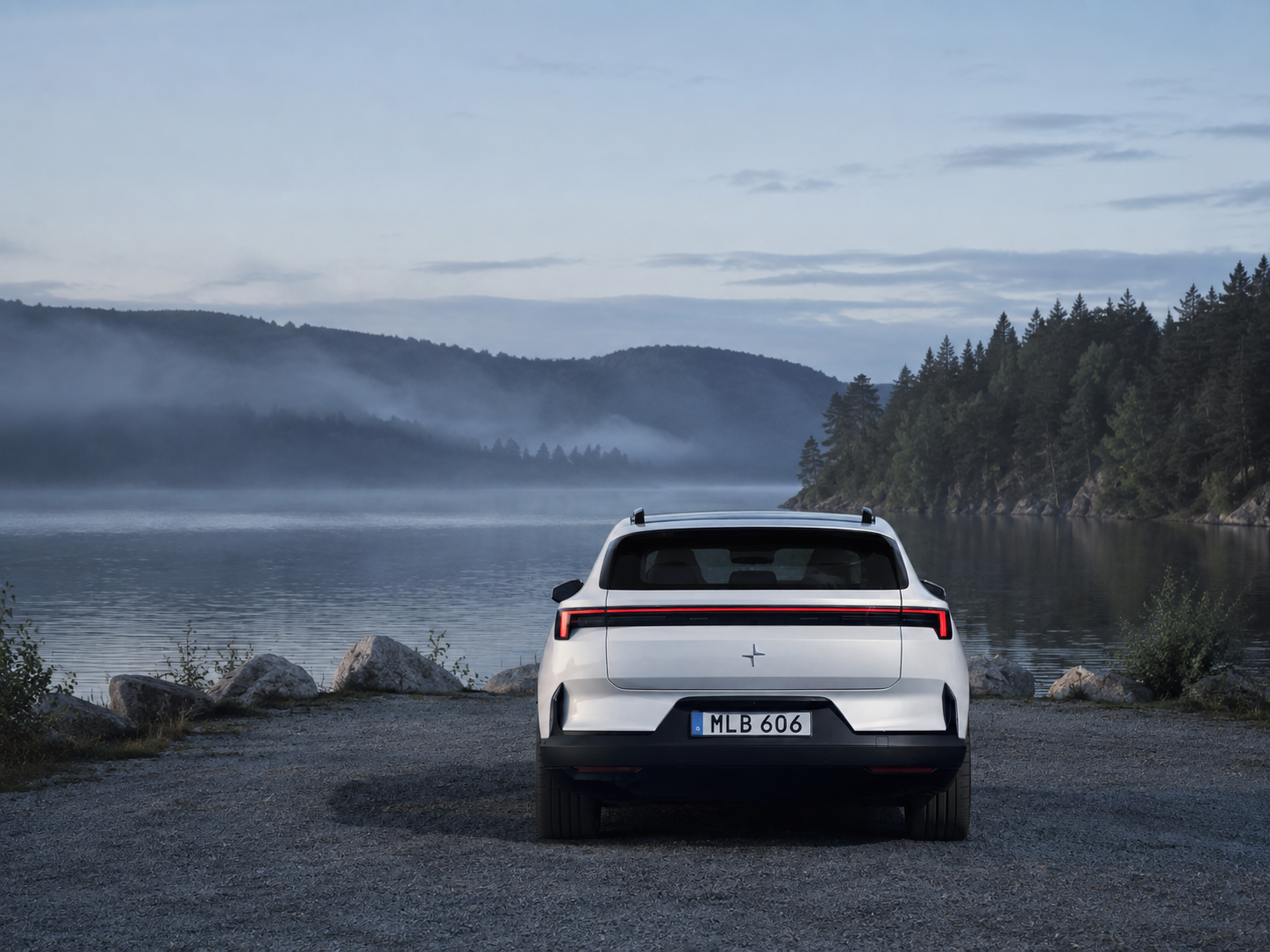
The Polestar 4 SUV has a straighter roofline, a more upright tailgate, a conventional rear window and mirror, more second-row headroom, roof rails and a more practical cargo area. It uses the same SEA architecture and broadly similar technology and powertrain options as the Coupé.
The SUV offers 530 l behind the second-row backrests, 655 l when loaded to the interior roof, and 1,665 l with the rear backrests folded in a 60:40 split. Polestar lists combined front and rear storage capacity as 1,680 l.
Series production began in the second quarter of 2026, and first customer deliveries are planned for the fourth quarter. Availability may vary by market. Camping mode and Vehicle-to-Load are announced for all Polestar 4 vehicles through a future software update, so they may not be active at delivery.
On September 2, 2026, Polestar introduced the Polestar 4 SUV, the second body style for its 4 model. It is not a new vehicle built on a different platform, but a more practical alternative to the Polestar 4 Coupé. The main change is at the rear: the SUV has a straighter roofline, a more upright tailgate opening and a conventional rear window.
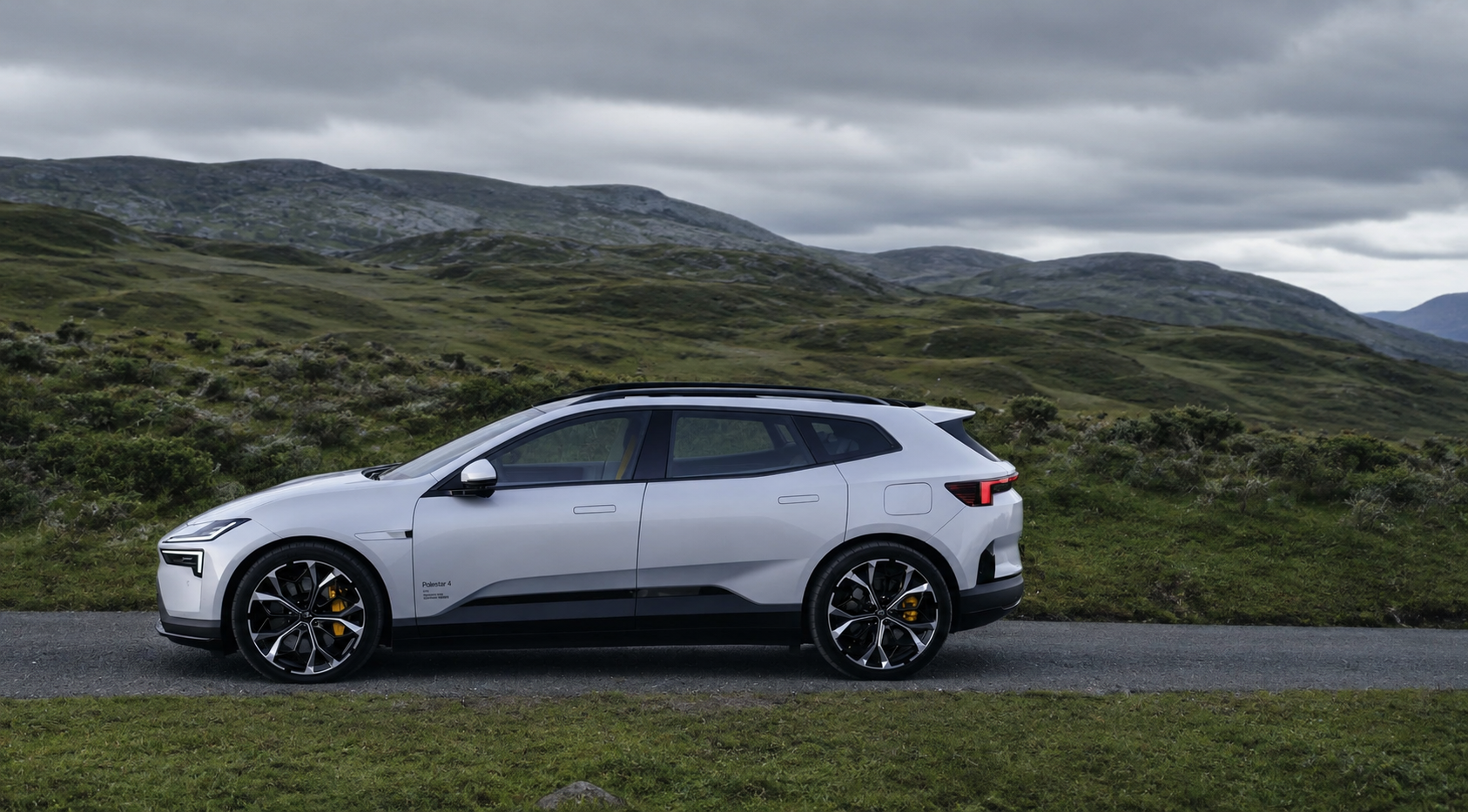
The name can be confusing: the original Polestar 4 was already a large electric crossover. But the Coupé has a sloping roof and no rear window—instead of a conventional mirror, the driver views a camera feed. The SUV is aimed at buyers who value cargo space, more headroom in the second row and a familiar rearward view. It does not abandon the original Polestar 4 concept; it makes the same technology more convenient for everyday driving.
Timeline: From Announcement to First Deliveries
On July 7, 2026, Polestar confirmed the Polestar 4 SUV name and said sales would begin on September 2. On launch day, the brand released detailed specifications. Series production in Busan, South Korea, began in the second quarter of 2026, while the first customer deliveries are planned for the fourth quarter. These dates are stated in Polestar's July announcement and the full release dated September 2.
The start of sales does not mean vehicles will appear at dealers in every country at the same time. Polestar refers to availability in most of its markets, but this announcement does not provide a single delivery schedule for each region. Order timing and pricing therefore need to be confirmed on the brand's local website.
What Has Become More Practical
The Polestar 4 SUV has a taller, more upright rear body. This produces two clear benefits: second-row passengers gain an additional 2.5 cm of headroom, and the cargo area has a more usable shape. A conventional rear-view mirror is standard equipment; a camera-based digital mirror remains an option for buyers who want a wider field of view, including when the cargo area is full.
Change in the Polestar 4 SUV | Practical benefit |
|---|---|
Straighter roof and more upright tailgate opening | More headroom in the second row and easier access to the cargo area |
Rear window and conventional mirror | A familiar rearward view without having to rely on a camera |
530 l to the backrests of the second row; 655 l when loaded to the interior roof | More space for tall cargo, rather than just flat items |
1,665 l with the rear backrests folded in a 60:40 split | More flexibility for carrying long and bulky items |
Roof rails with a permitted dynamic load of up to 100 kg | Allows a roof box or sports equipment carriers to be used within the manufacturer's stated limit |
The new version also has a front trunk. Polestar lists the combined capacity of the front and rear storage compartments as 1,680 l, but for everyday use it is more helpful to consider the main cargo area's figure and the shape of the opening. The taller, estate-like rear body matters more here than the decorative difference in silhouette.
The Familiar Technology Remains
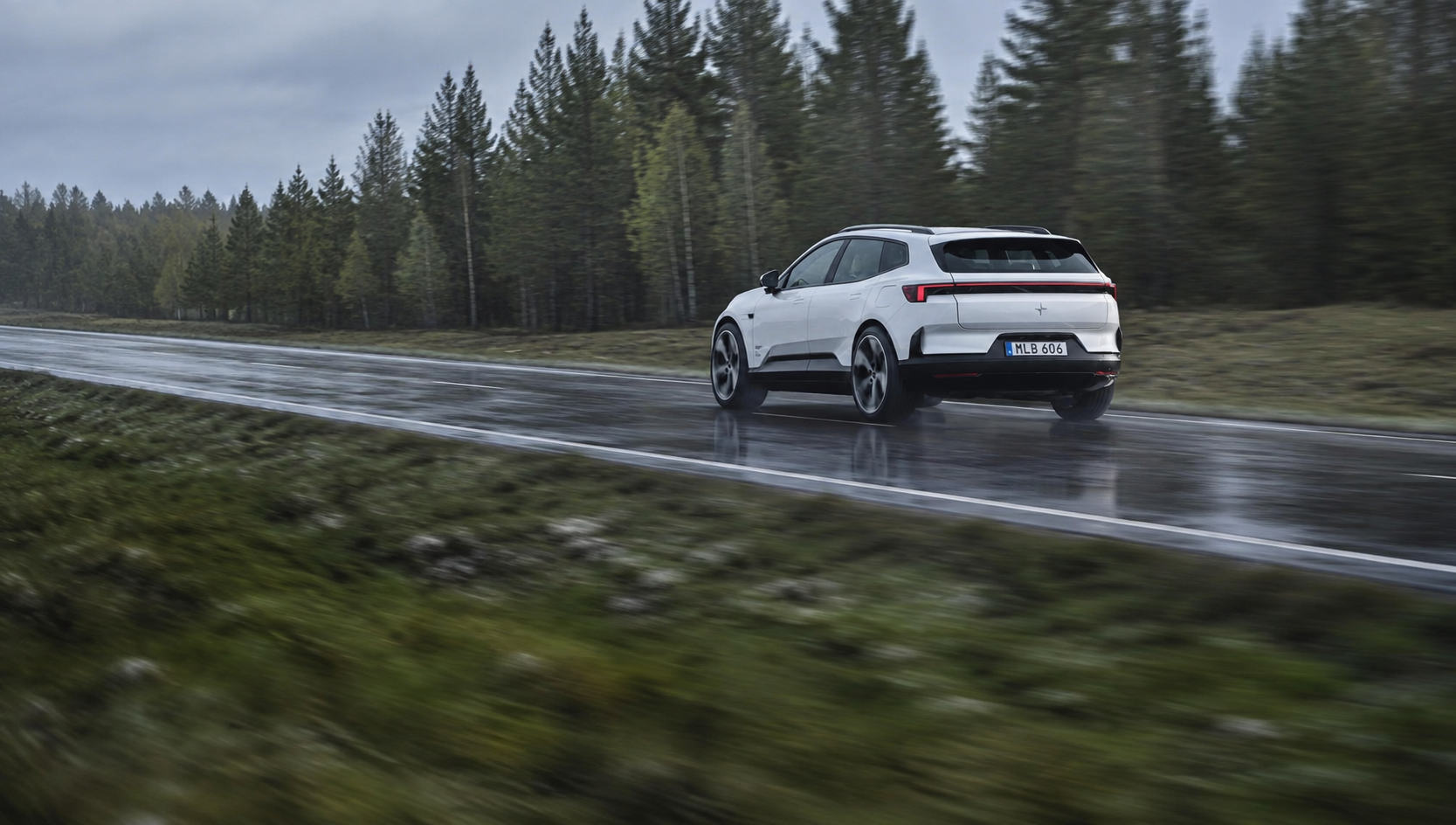
The Polestar 4 SUV is built on the same SEA architecture as the Polestar 4 Coupé. It is offered with two powertrain options and a 100 kWh battery. The base Rear motor produces 200 kW (272 hp) and 343 N⋅m; the all-wheel-drive Dual motor version delivers 400 kW (544 hp) and 686 N⋅m.
Rear motor: up to 630 km under the WLTP cycle and 0–100 km/h in 7.3 seconds;
Dual motor: up to 600 km under the WLTP cycle and 0–100 km/h in 3.9 seconds;
DC charging at up to 200 kW and AC charging at up to 22 kW in selected markets.
WLTP range is a certified result, not a promise for every combination of weather, speed and route. Real-world range is affected by temperature, driving style, wheels, load and climate-control use. It is not useful to compare 630 km of WLTP range directly with your own daily driving distance.
Camping Mode and Power for External Devices: What Has Been Announced
The SUV is announced with Camping mode. When parked, it provides access to climate control, entertainment, lighting and vehicle settings from the front and rear screens. Polestar has also announced Vehicle-to-Load (V2L), which supplies AC power from the traction battery to external devices. The maximum stated output is 3.3 kW; a certified adapter, sold separately, is required.
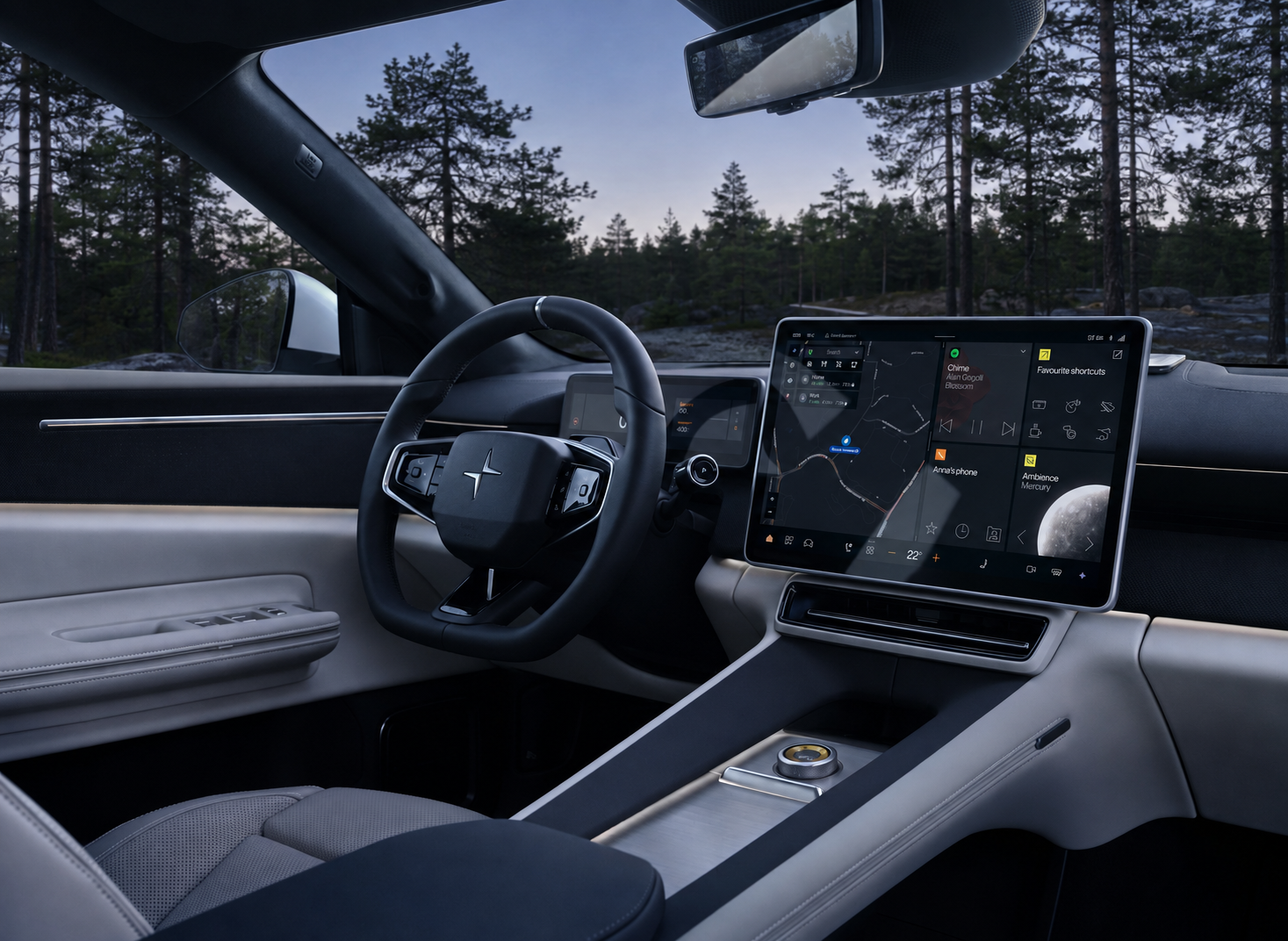
There is an important qualification. According to the official release, V2L and Camping will become available on all Polestar 4 vehicles through a future software update. When placing an order, buyers should therefore not assume that these features will be active on the day they take delivery. Check the equipment list and update status on the official Polestar 4 SUV page for your market.
Who Is the New Version For?
The Polestar 4 Coupé remains the choice for those who prefer a low roofline and a camera in place of a rear window. The SUV does not turn the model into a body-on-frame off-roader or add extra ground clearance: its purpose is different. It brings a more convenient cargo area, a conventional mirror, more space above the second row and roof rails.
If the vehicle is often used for family trips, carrying strollers, suitcases or sports equipment, or for weekend getaways, these details may matter more than the styling differences. If the Coupé silhouette is the priority, the technology and powertrain lineup are broadly similar between the versions. The final choice will depend on local pricing, equipment levels and delivery dates, which Polestar has not yet disclosed consistently across all countries.