 EN
EN

Frequently asked questions
Tesla states that Cybercab rides are currently available only in limited areas of Austin. The company has not specified when the model will expand beyond Austin, how many vehicles are in service, or how quickly the fleet will grow.
On September 4, 2026, NHTSA opened an Audit Query into Tesla’s self-certification. The agency is examining Tesla’s statement that the Cybercab complies with all applicable Federal Motor Vehicle Safety Standards.
No. The article states that the review is not a recall or a finding that the Cybercab is unsafe, and NHTSA has not announced a ban on operating the model.
On September 3, 2026, Tesla began offering limited Cybercab rides in Austin. The two-seat electric vehicle has no steering wheel or pedals, but that fact is only part of the story. On September 4, the National Highway Traffic Safety Administration (NHTSA) opened an Audit Query to examine how Tesla confirmed that the Cybercab complies with applicable federal safety standards.
That is why the new Tesla matters less as an exotic car without familiar controls and more as a test of whether a manufacturer can put a vehicle designed solely for autonomous travel on public roads before regulations have fully adapted to this type of design. For passengers, the issue is not the cabin layout. It is who is responsible for safety, how compliance is verified, and what happens if regulators request further explanations.
In brief: two dates that change the meaning of the story
September 3, 2026: The Cybercab became available for limited rides in Austin.
September 4, 2026: NHTSA announced that it had opened a review of Tesla’s self-certification.
What Tesla actually launched in Austin
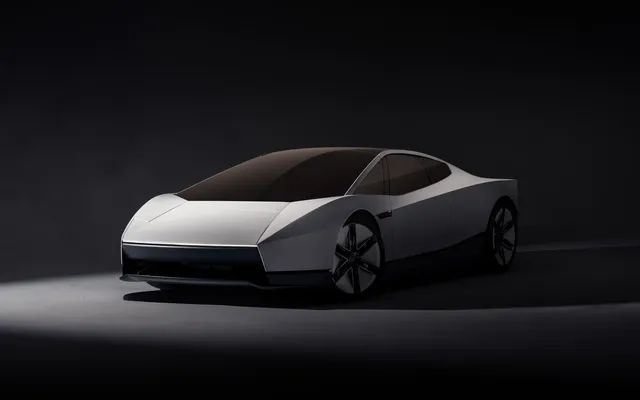
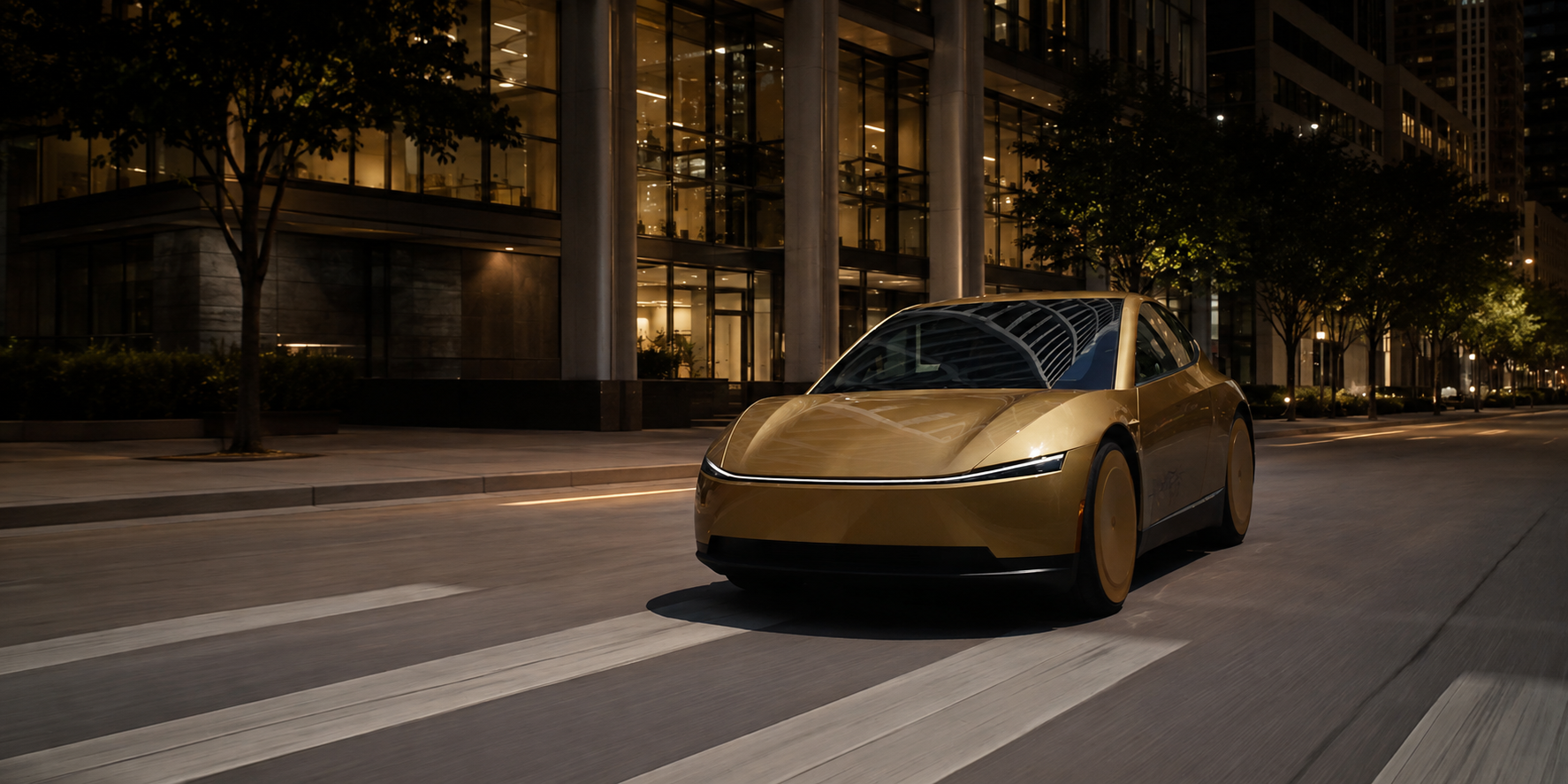
The Cybercab is not a converted Model Y but a separate two-seat vehicle designed for the Robotaxi service. On the official Tesla Robotaxi page, Tesla states that the Cybercab has no steering wheel or pedals. The cabin includes a central screen, seating for two passengers, and a luggage compartment.
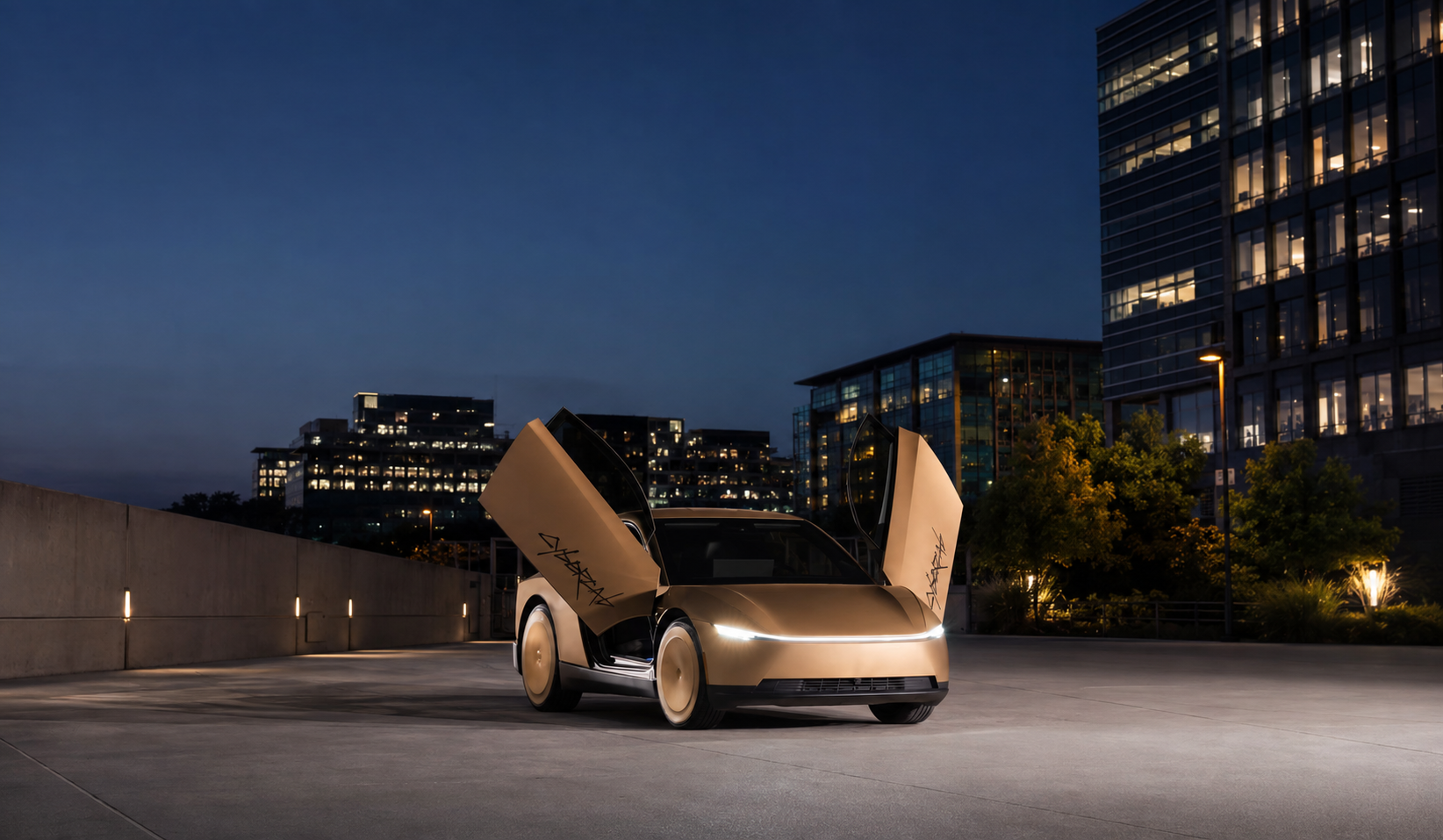
The word “launch” should not be taken to mean that the vehicle is available everywhere. Tesla’s Cybercab FAQ states explicitly that rides in this model are currently available only in limited areas of Austin. The company also does not specify on that page the size of the fleet, the schedule for expanding the service area, or when the Cybercab will reach other cities.
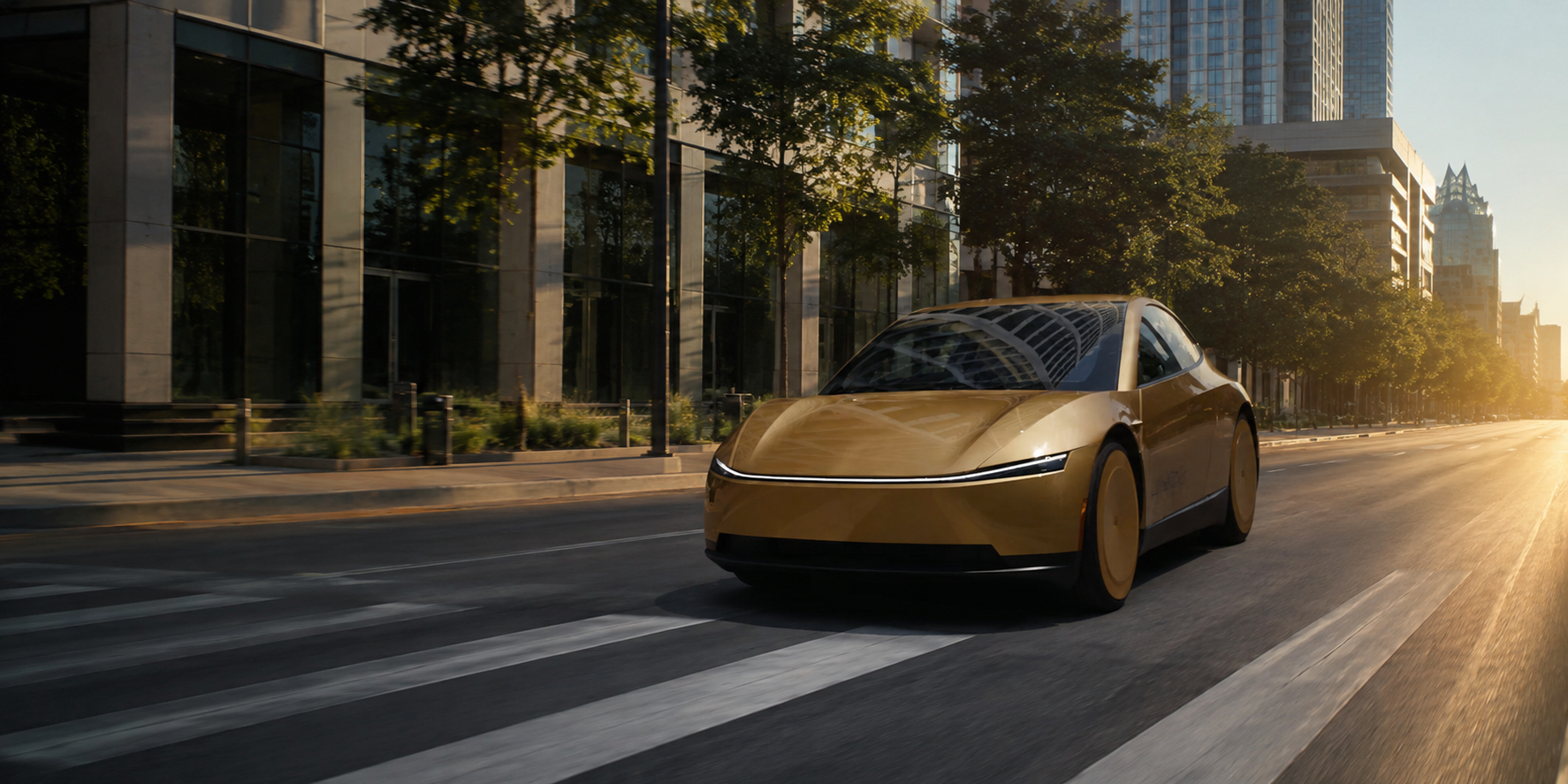
The context matters. Tesla’s 2025 report says the company began testing driverless Robotaxis in Austin in December 2025 and started gradually removing the safety monitor from customer rides in January 2026. The Cybercab is the next step for this service, but it is not Tesla Robotaxi’s first appearance on the city’s roads.
Why the lack of a steering wheel is not the main question
A steering wheel and pedals give a passenger or driver a physical way to intervene. The Cybercab has no such option by design. For regulators, however, the key question is broader: does the vehicle comply with mandatory requirements as they apply to a car without traditional controls?
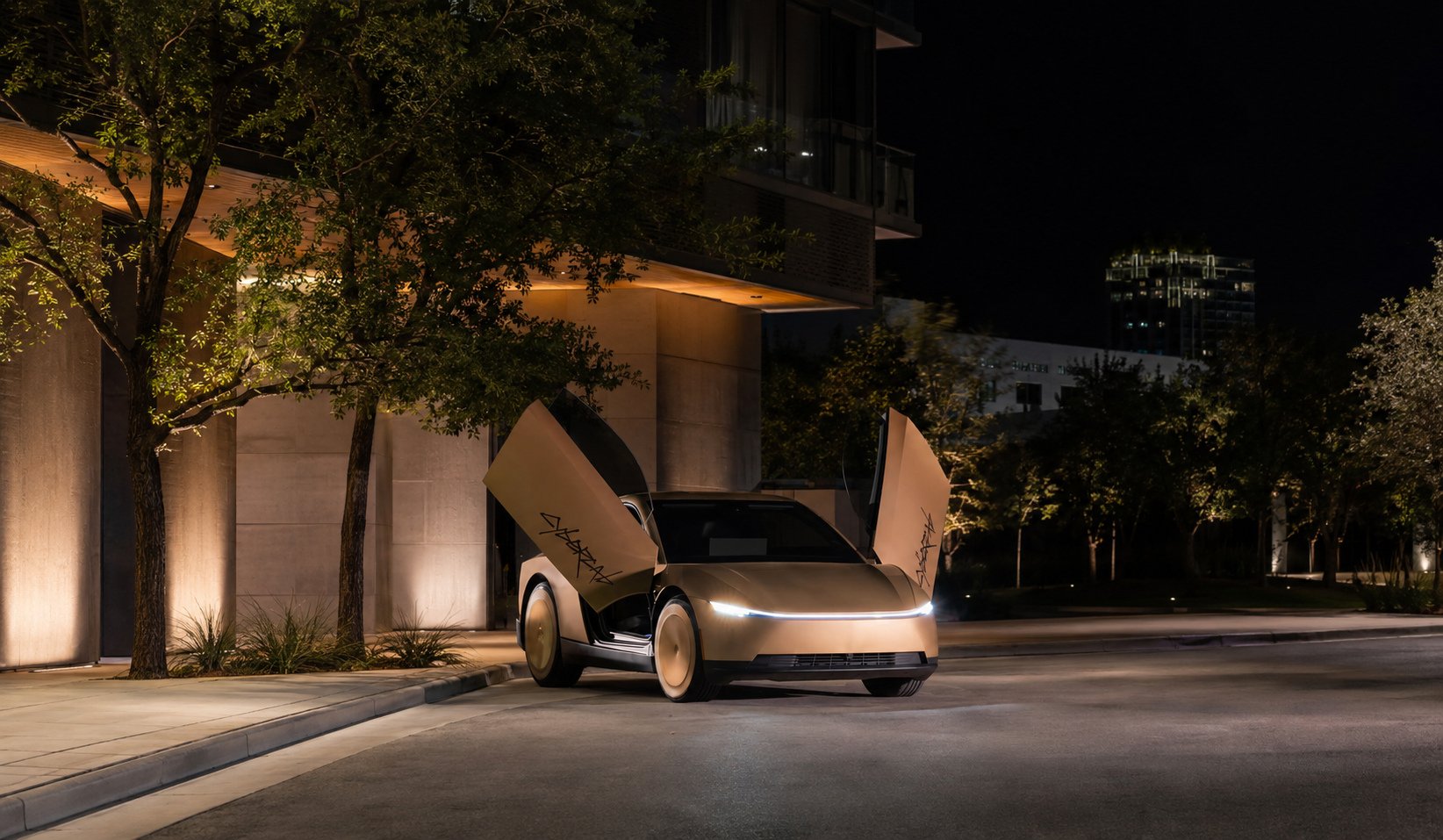
NHTSA’s September 4 announcement identifies the procedure as an Audit Query and explains the general principle: automakers certify their own compliance with federal standards, while the agency reviews that certification. As part of the inquiry, NHTSA is examining Tesla’s statement that the Cybercab complies with all applicable Federal Motor Vehicle Safety Standards.
This is not a recall, nor is it a finding that the Cybercab is unsafe. NHTSA has not announced a ban on operating the model. But the start of rides does not mean that every regulatory question has been resolved. The review concerns the basis for Tesla’s self-certification.
What is known | What it does not mean |
|---|---|
The Cybercab is available in limited areas of Austin. | That the model is ready for a mass rollout in every U.S. city. |
The vehicle has no steering wheel or pedals. | That the autonomous system has received separate universal approval for every operating condition. |
NHTSA has opened an Audit Query into Tesla’s self-certification. | That the agency has found the Cybercab unsafe or ordered Tesla to stop the service. |
How the passenger’s role is changing
In a conventional car, the person behind the wheel watches the road, chooses maneuvers, and brakes in an emergency. In the Cybercab, the passenger uses a service rather than operating the vehicle. Tesla’s passenger guide describes controls for climate, seat position, and entertainment through the app and screen, but it does not give passengers a way to take control.
The practical takeaway is that the Cybercab should not be judged simply by whether it has a steering wheel. The entire system matters: the vehicle’s software, ride dispatching, remote support, procedures for stopping after a malfunction, fleet maintenance, and the response to unusual situations. Tesla has not yet published enough information to compare the Cybercab on these points with other robotaxi services.
What to watch for in Tesla’s and NHTSA’s next updates
Whether the ride area expands beyond Austin’s current limited zones.
Whether Tesla publishes the number of Cybercabs in service and data on their operation.
What documents and findings emerge from NHTSA inquiry AQ26002.
Whether requirements change for vehicles without steering wheels, pedals, or mirrors.
What has not been disclosed
As of September 7, 2026, Tesla had not stated on the Cybercab page when the model would become available beyond Austin’s limited service area, how many vehicles were participating in the service, or how quickly the fleet would expand. The published materials also do not establish when the Cybercab might be sold to private owners or become available in other countries.
The Cybercab is now a real part of the Robotaxi service, but its mass-market future has not yet been confirmed. The first days of operation matter not because Tesla removed the steering wheel, but because the vehicle’s design, autonomous capabilities, and legal requirements are now being tested at the same time—on real roads and in a specific city.