
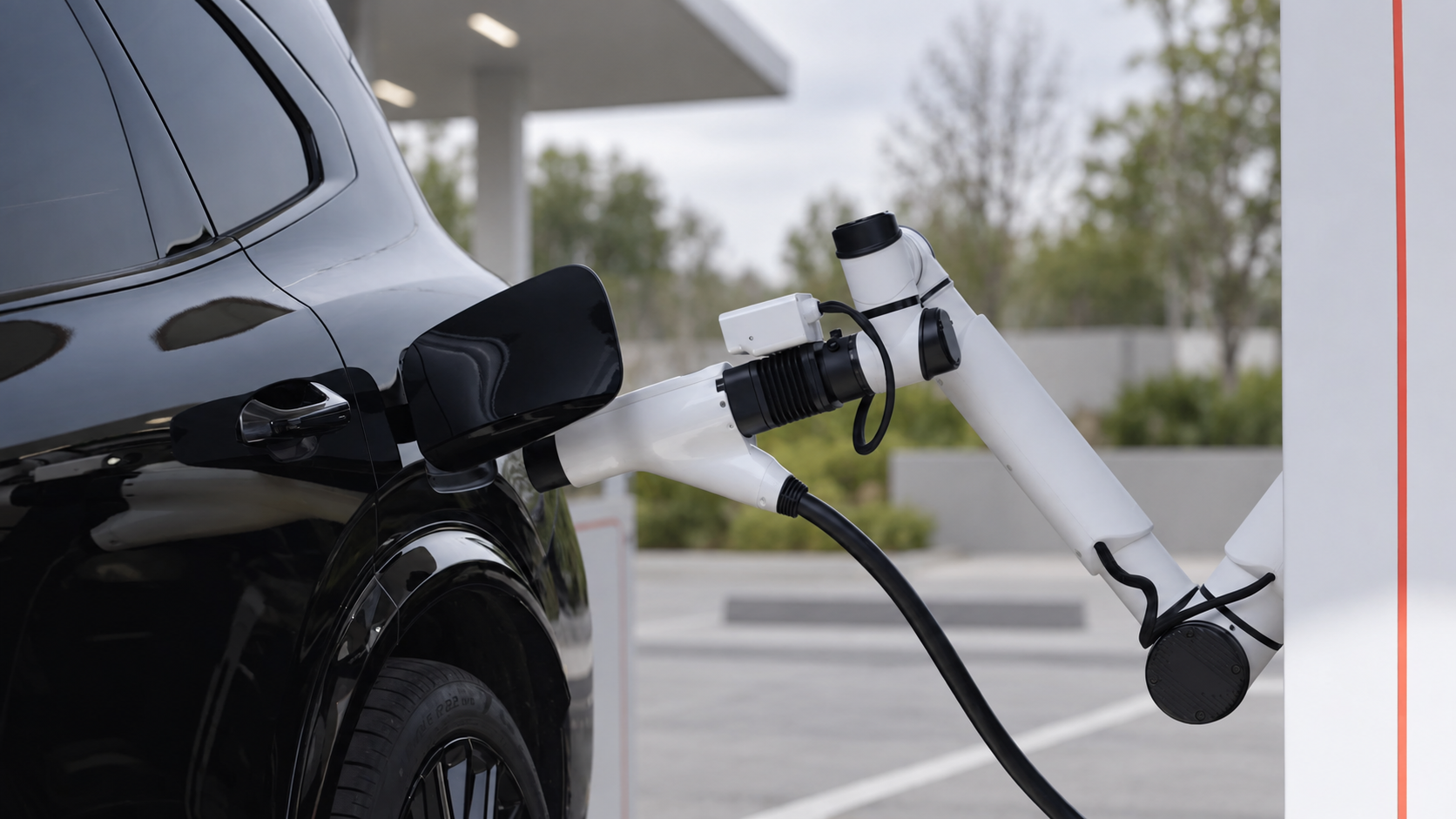
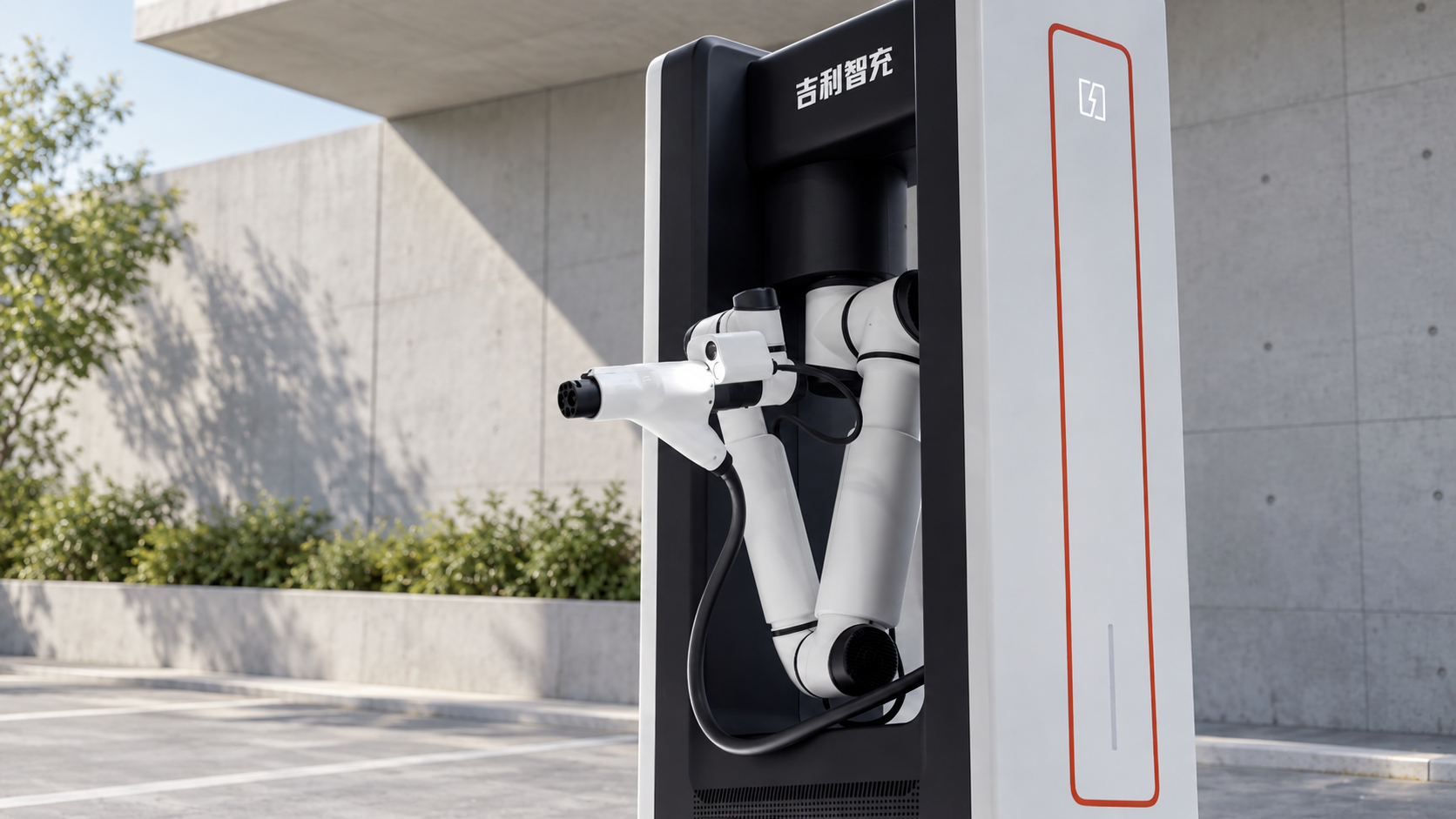
On 23 September 2026, Geely introduced the Geely Smart Charging system and a fifth-generation charging station with peak output of up to 2250 kW at a single connector. This figure describes the station's capability, not the speed at which every connected electric vehicle will charge. The official Geely announcement separately lists battery performance and charging times for compatible vehicles.
The station, the car and the minutes: three different figures
Geely says that the battery with a maximum charging rate of 12C in the Lynk & Co 10 and Zeekr 001 can charge from 10 to 70% in 4 minutes 30 seconds, and from 10 to 97% in 8 minutes 40 seconds. These are the results reported by the company for the relevant battery and test conditions. They do not mean that 2250 kW was delivered to the battery throughout the entire session.
Figure | Value | How to read it |
|---|---|---|
Station peak output | 2250 kW | The stated maximum output of one connector on the fifth-generation station |
Peak output at the vehicle | 1093 kW | The Lynk & Co 10 result reported by CarNewsChina with reference to CATARC testing; Geely has not published the test report in its public announcement |
12C battery charging | 10–70% in 4 min 30 sec; 10–97% in 8 min 40 sec | The time stated by Geely for a compatible battery, not a promise for the entire electric vehicle range |
What to check when you see charging power listed in megawatts
The charger's peak output and the power accepted by the vehicle are different figures. To compare charging stops, it is more useful to look at charging time over the same battery range, such as 10 to 70%, together with battery capacity and test conditions. A single peak figure is not enough.
Why the system predicts temperature
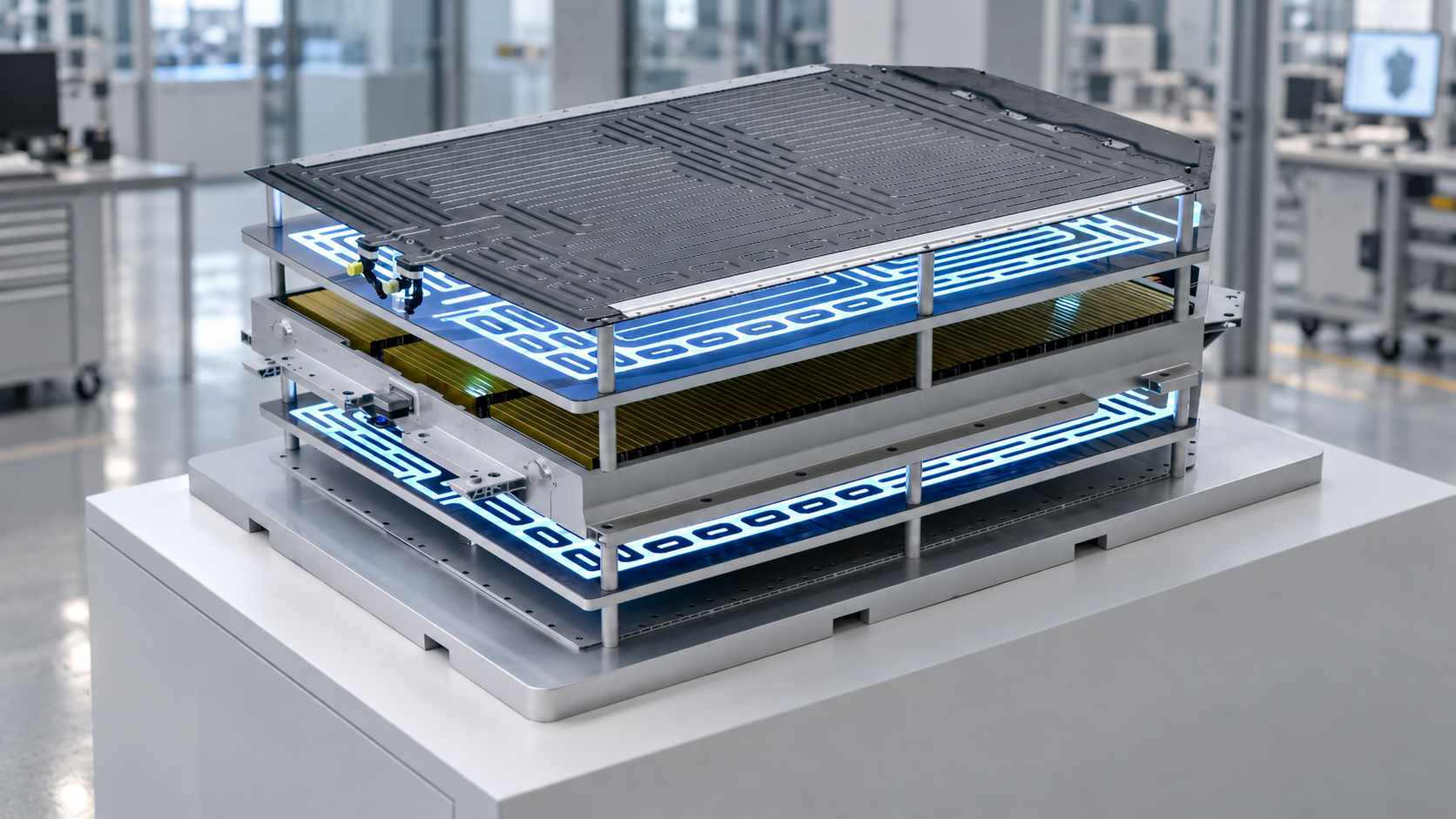
Geely identifies Xingrui PowerMind, an energy-management model developed with StepFun, as the foundation of Geely Smart Charging. According to Geely, the system forecasts changes in battery temperature 30 seconds ahead and adjusts charging power. Liquid cooling covers the station's energy storage unit, charger, cable, port and the vehicle battery.
Geely specifies target limits: the battery's average temperature during fast charging should remain below 55 °C, while the peak should stay below 65 °C. The company also says that charge management combined with pulse-based lithium-ion battery recovery technology can increase cycle life by 20%. This is the manufacturer's claim about the technology, not a guarantee that every vehicle's battery will last 20% longer. The press release does not provide the comparison methodology or long-term results for specific models.
How it compares with BYD
On 5 March 2026, BYD announced its FLASH Charging system with output of up to 1500 kW at a single connector. For the Blade Battery 2.0, the company claimed charging from 10 to 70% in five minutes and from 10 to 97% in nine minutes; these figures were published in BYD's official material. Geely's stated station limit is higher, while its reported charging times are 30 and 20 seconds shorter, respectively.
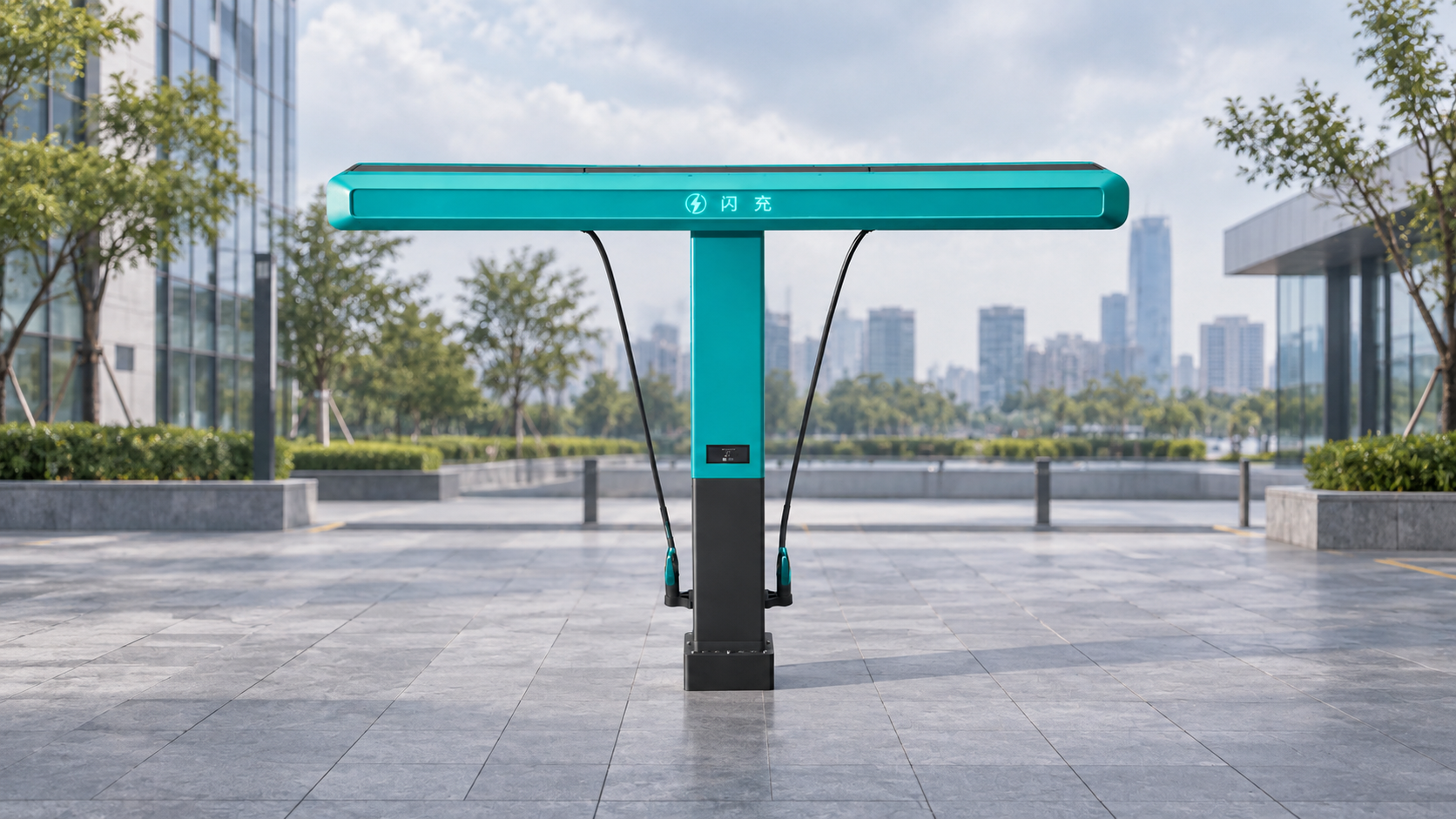
This comparison shows the direction in which charging technology is developing, but it is not a direct test of two vehicles under identical conditions. The manufacturers use different batteries and have not published a common test protocol with the same temperature, battery capacity and power curve throughout the charging session.
When the technology will be useful to drivers
Geely also presented a battery with a peak charging rate of 6C for more affordable models. CarNewsChina links it to the new Chinese Galaxy E5 and reports a time of 8 minutes 25 seconds for the 10–70% range. The English-language Geely press release does not identify the model using this battery or confirm this result separately, so applying the figure to other versions would be premature.
For buyers outside China, two questions remain open: which export vehicles will receive the new battery, and where compatible stations will be installed. The international Geely EX5 page currently does not mention 6C support or charging above one megawatt; Geely warns that equipment varies by market. In its English-language announcement, the company has not yet published a Smart Charging station map or a timetable for deploying the network outside China.
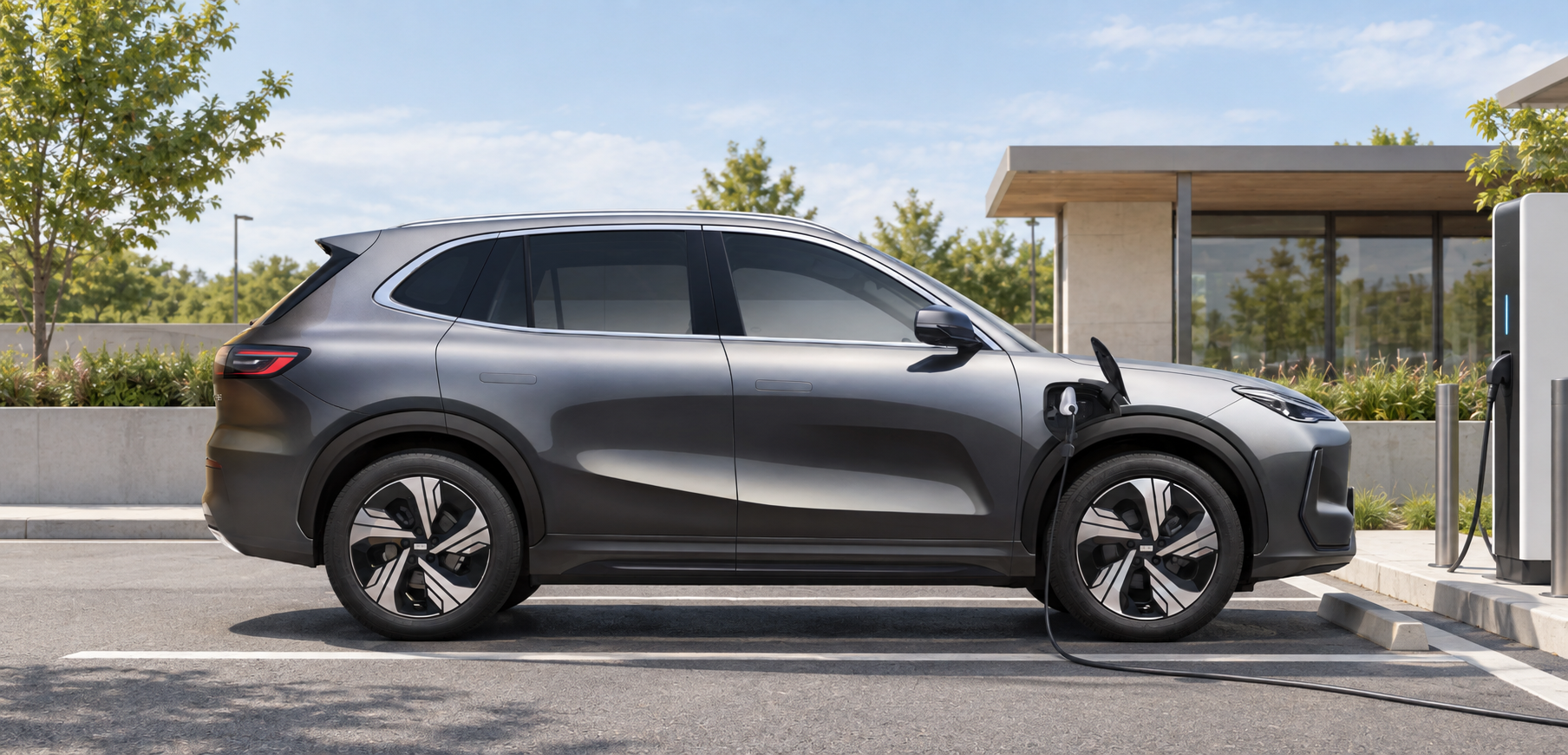
What the announcement means for EV owners
The 2250 kW figure shows the power headroom of the new charger. The actual charging-stop time depends on compatibility between the vehicle, battery and station, as well as how long the system can sustain high output. Until local specifications and station locations are available, it is too early to assess the technology's benefit for a specific route.