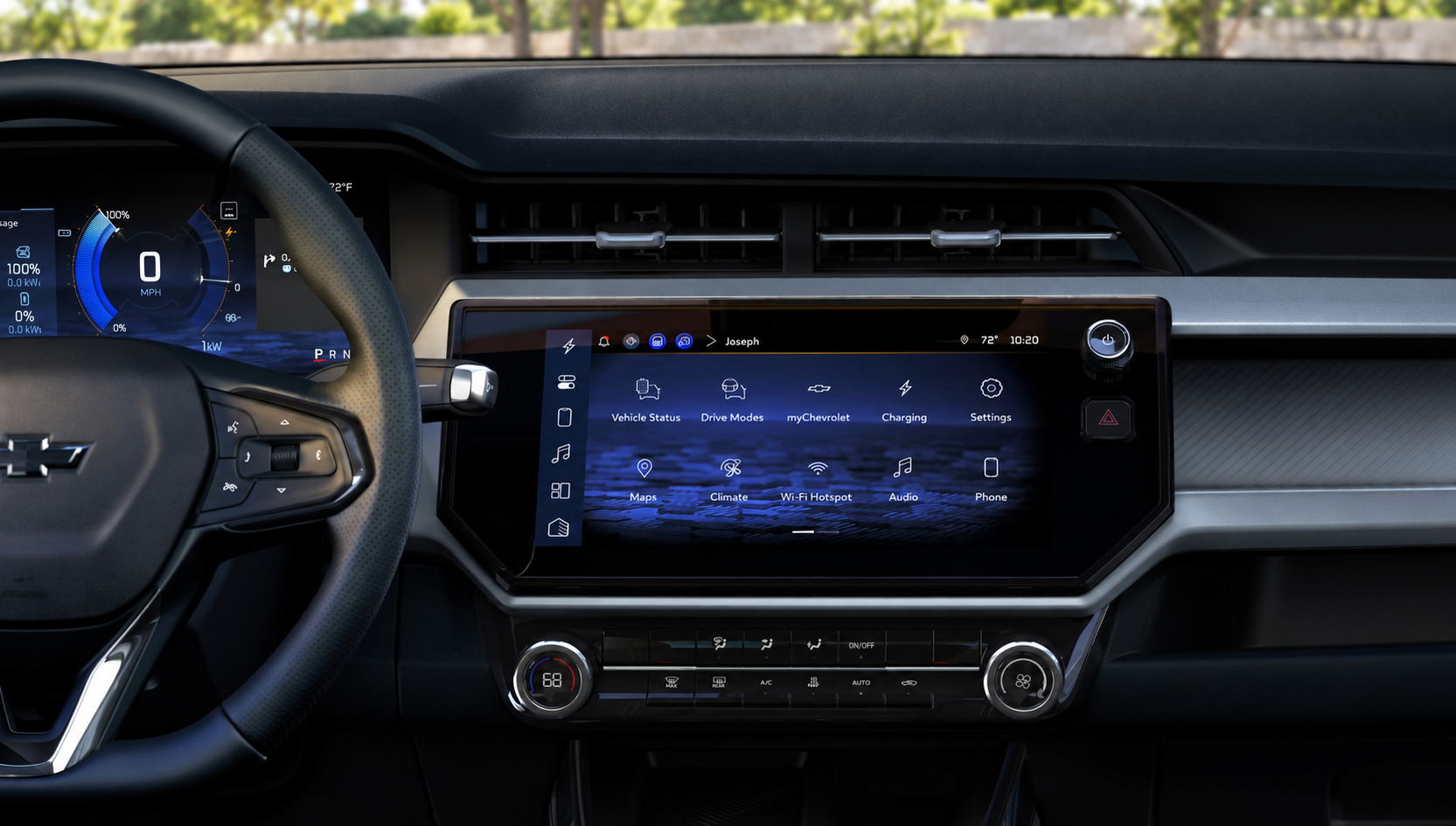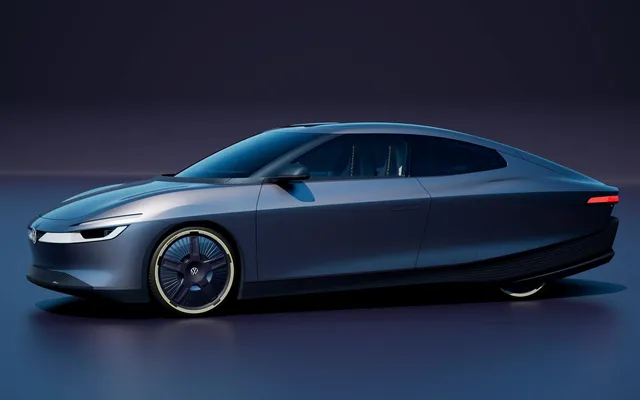

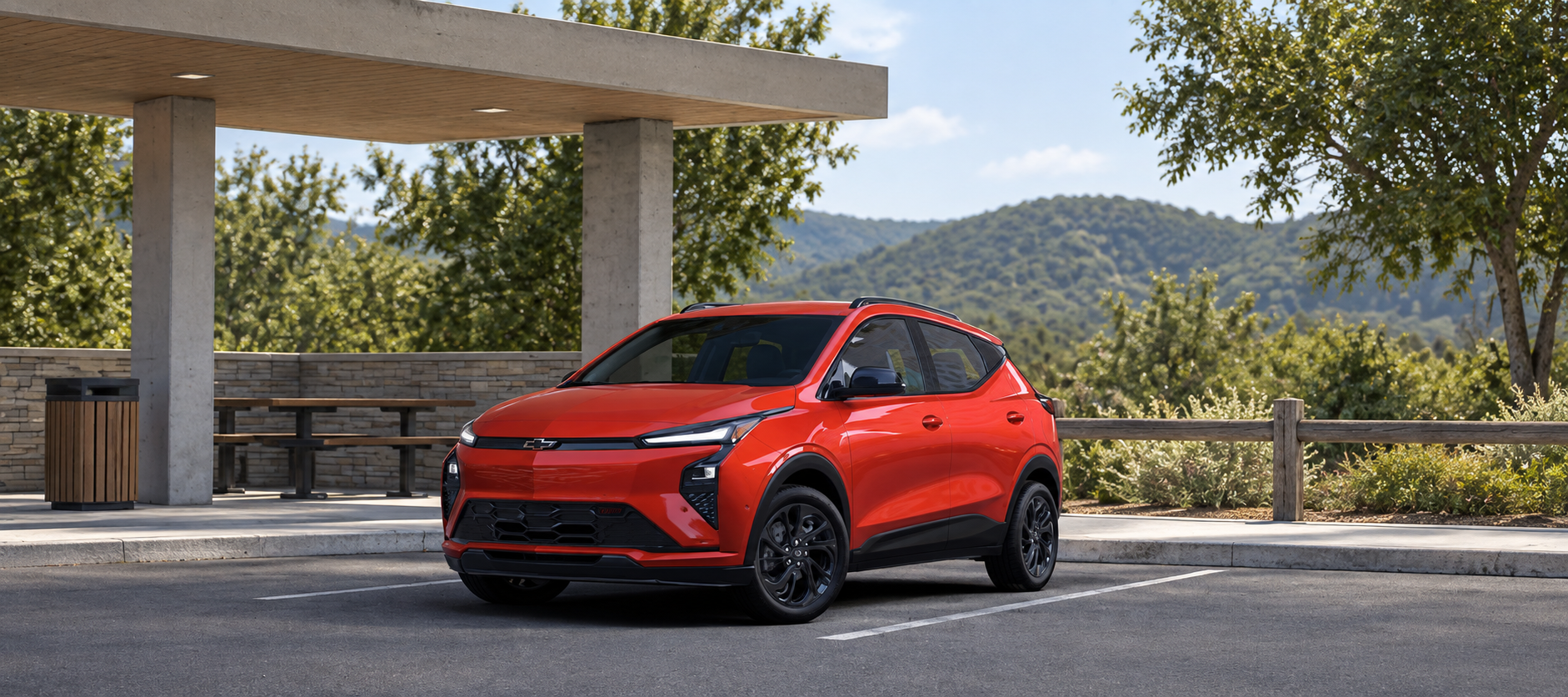
On September 26, 2026, Car and Driver published a charging comparison between the 2027 Chevrolet Bolt and the 2022 Bolt EUV. The new car completed the 10–90% charging interval in 38 minutes, while the older model took 83 minutes. That is a 45-minute difference at a single stop under the conditions of the editorial test.
For anyone choosing an electric vehicle, this changes an important part of the comparison: how long the car spends at a charging station between sections of a journey. Charging speed still needs to be considered alongside driving range and the availability of suitable chargers.
Three dates that explain what happened
On October 9, 2025, Chevrolet unveiled the returning 2027 Bolt. The official GM announcement notes that the final specifications were added on January 12, 2026.
On March 9, 2026, Chevrolet published an explanation of the technical changes, including the new battery chemistry and the use of components from other GM electric vehicles.
On September 26, 2026, a comparison of the old and new Bolt’s charging performance was published. This is the date the results were released, not the vehicle’s debut.
The “2027” designation refers to the model year. It does not mean the vehicle was first shown in 2027.
What the charging test showed
Metric | 2022 Bolt EUV | 2027 Bolt |
|---|---|---|
10–90% charging | 83 minutes | 38 minutes |
Average power over this interval | 41 kW | 94 kW |
Peak power | 57 kW | 148 kW |
For planning a stop, average power is more useful than a short-lived peak. The peak figure shows the maximum rate of energy transfer, but it does not describe the entire session. The longer the vehicle maintains high power, the less time you have to wait.
Why 25 and 38 minutes are not contradictory
Chevrolet quotes approximately 25 minutes for charging from 10 to 80%. The table measures a longer interval, up to 90%. The additional ten percentage points cannot simply be added proportionally because charging power does not have to remain constant at every state of charge.
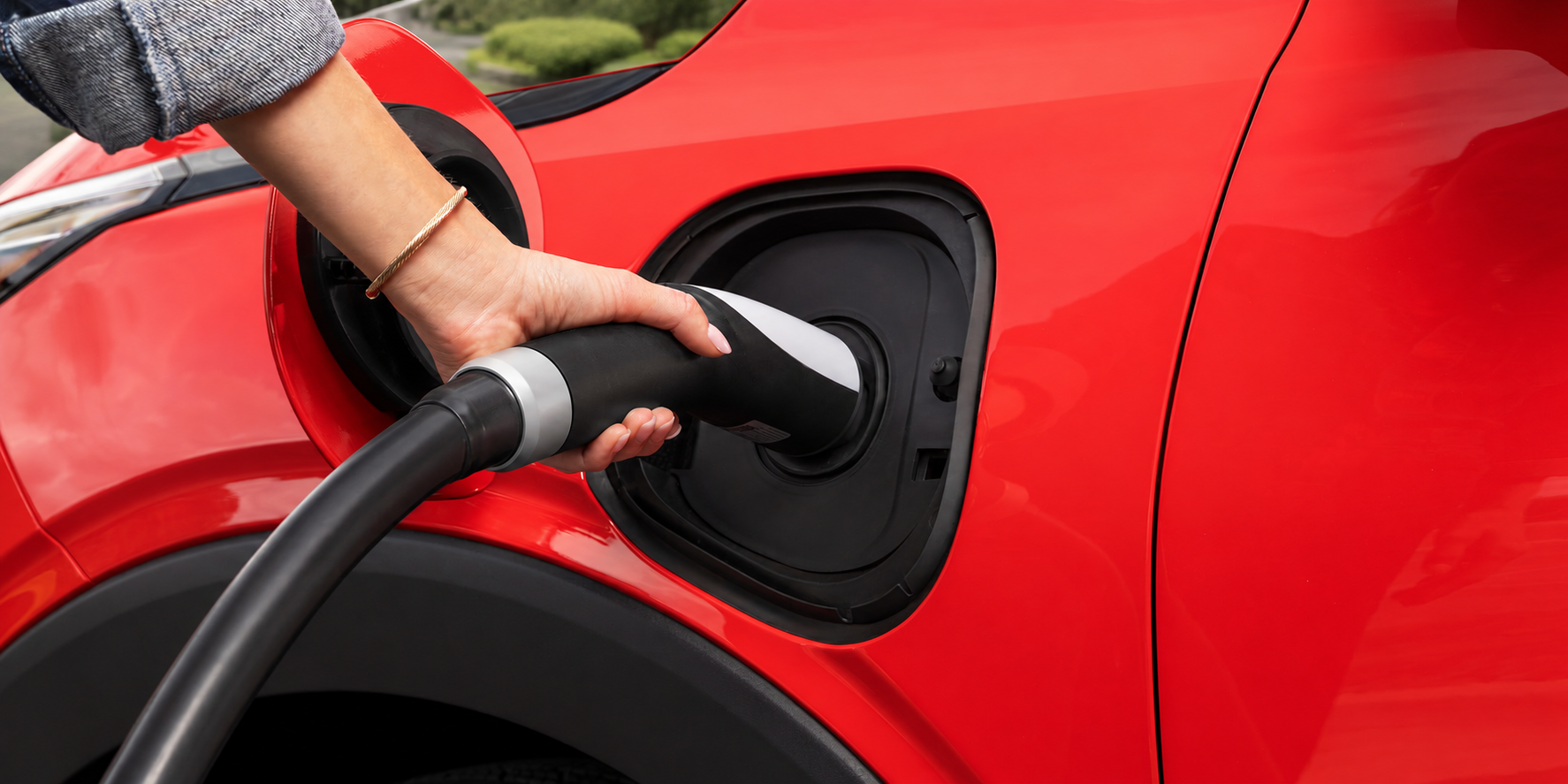
The manufacturer also warns that charging time depends on the starting charge level, battery condition and temperature, vehicle settings, and station power. Therefore, 25 minutes is the manufacturer’s estimate, not a guaranteed duration for every stop.
The battery changed, but its capacity did not increase
The new Bolt’s official specifications list a 65 kWh LFP battery. LFP stands for lithium iron phosphate chemistry. In a technical article dated March 9, 2026, Chevrolet attributes the faster charging to the switch to new cells.
The model’s chief engineer, Jeremy Short, explains that battery capacity remains unchanged, while more efficient drivetrain components increased range. The Bolt uses an electric motor and power electronics that are also used in the Equinox EV. This allows Chevrolet to improve the vehicle without installing a larger battery pack.
How much of the rated range remains on the highway
The official EPA estimate for the 2027 Bolt is 262 miles, or about 422 km, on a full charge. In a MotorTrend test published on June 22, 2026, the vehicle traveled 217 miles—approximately 349 km—at 70 mph, or about 113 km/h.
These are different ways of measuring range. The EPA figure helps compare vehicles using a standardized method, while a highway test shows what one particular vehicle achieved in a specific driving scenario. MotorTrend also noted highway noise and suspension behavior that was not calm enough over uneven surfaces. Faster charging does not eliminate those characteristics.
Full range is not the distance between two chargers
If the next section of a journey begins with an 80% charge, the driver does not have all the energy available from a fully charged battery. Energy is also needed for a reserve upon arrival. That is why the full-range figure cannot be treated as the actual distance between stations: route planning must account for the charge level at departure, expected energy consumption, and the remaining charge at the destination.
NACS: check more than the connector shape
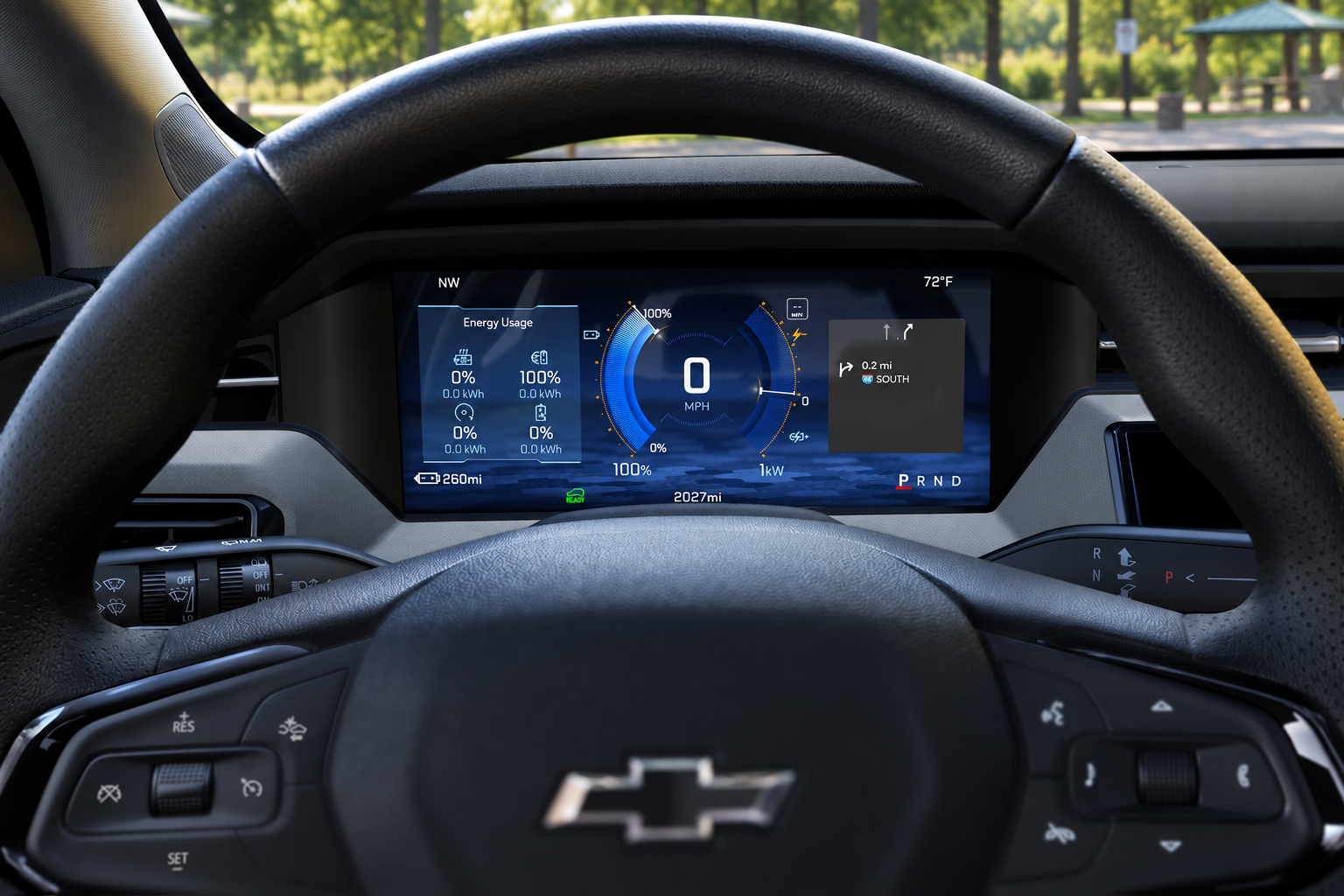
The 2027 Bolt is the first Chevrolet with a factory-installed NACS port. According to the brand, it can use compatible Tesla Superchargers and other stations with this standard. The key word is “compatible”: having the right plug does not replace checking whether you can access a particular station.
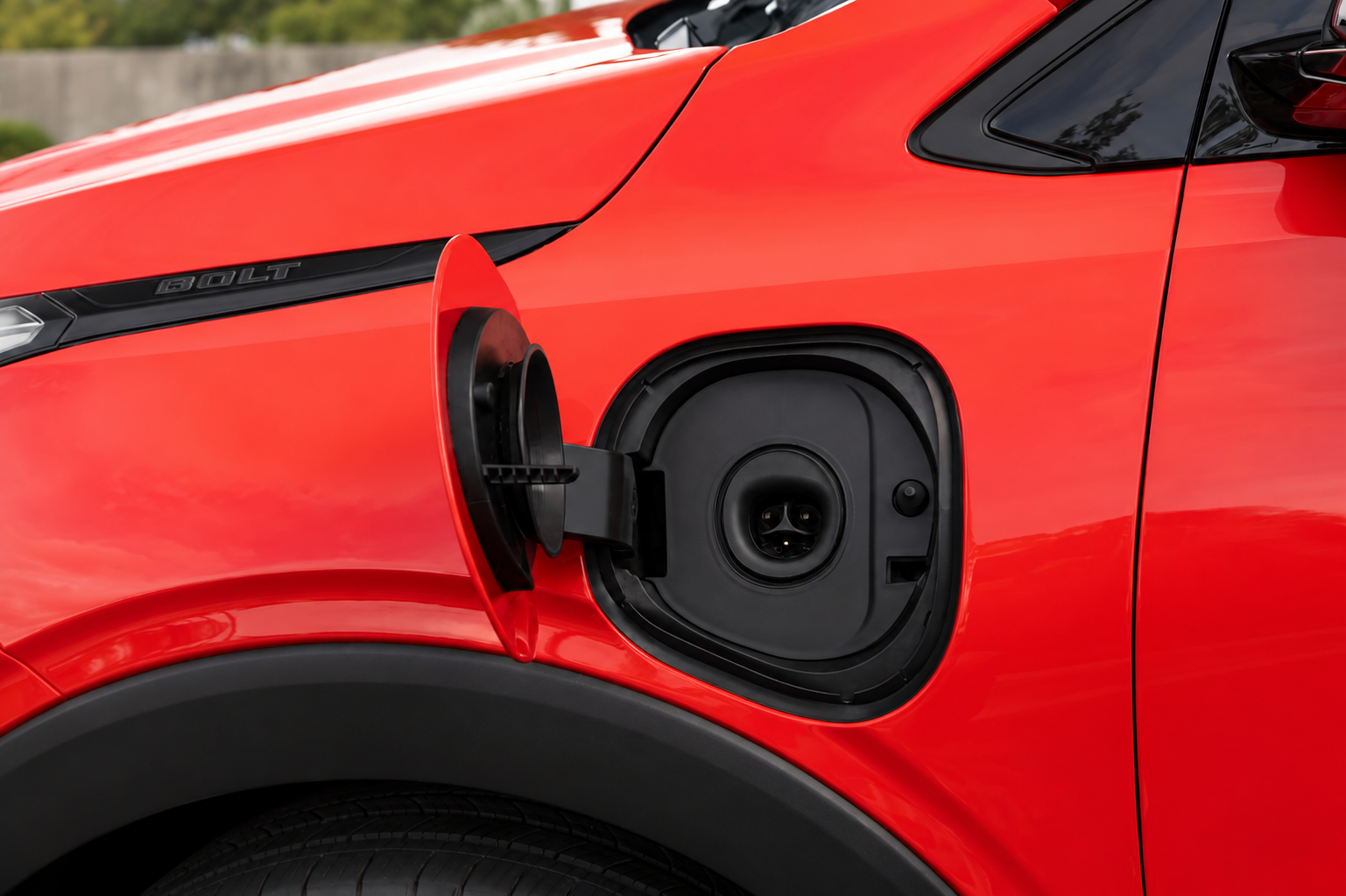
For buyers of a North American vehicle who plan to operate it in another country, checking the local charging infrastructure should come before the purchase. Find out where that specific vehicle can be charged, what equipment will be required, and whether the charging session can be started through the operator’s service.
An unexpected recommendation: charge to 100% once a week
In its official Chevrolet guide for the 2027 Bolt and newer models, the company recommends regularly charging to 100%—once a week. Chevrolet says this improves the accuracy of the displayed charge level and available range, while also enabling a higher overall fast-charging rate.
The recommendation to charge to 100% does not mean doing so at every stop during a journey. Periodic full charging and selecting a charge level before the next section of a route serve different purposes. Follow the instructions for your specific vehicle; recommendations for the new Bolt should not automatically be applied to the older Bolt EUV.
What to check before a long trip
The station’s compatibility with the vehicle and how to start the charging session.
Available power: a slow public charger will not deliver the same result as a fast DC station.
The estimated charge on arrival, not just the distance to the next stop.
A backup station in case the selected one is occupied or unavailable.
Chevrolet’s recommendations for regularly fully charging the battery.
The new Bolt reduces the time needed to replenish energy on the road. For buyers, that is a significant difference from the previous model. Whether it is suitable for long-distance travel still comes down to three factors: charging time, highway energy consumption, and the stations available along the routes you regularly use.