
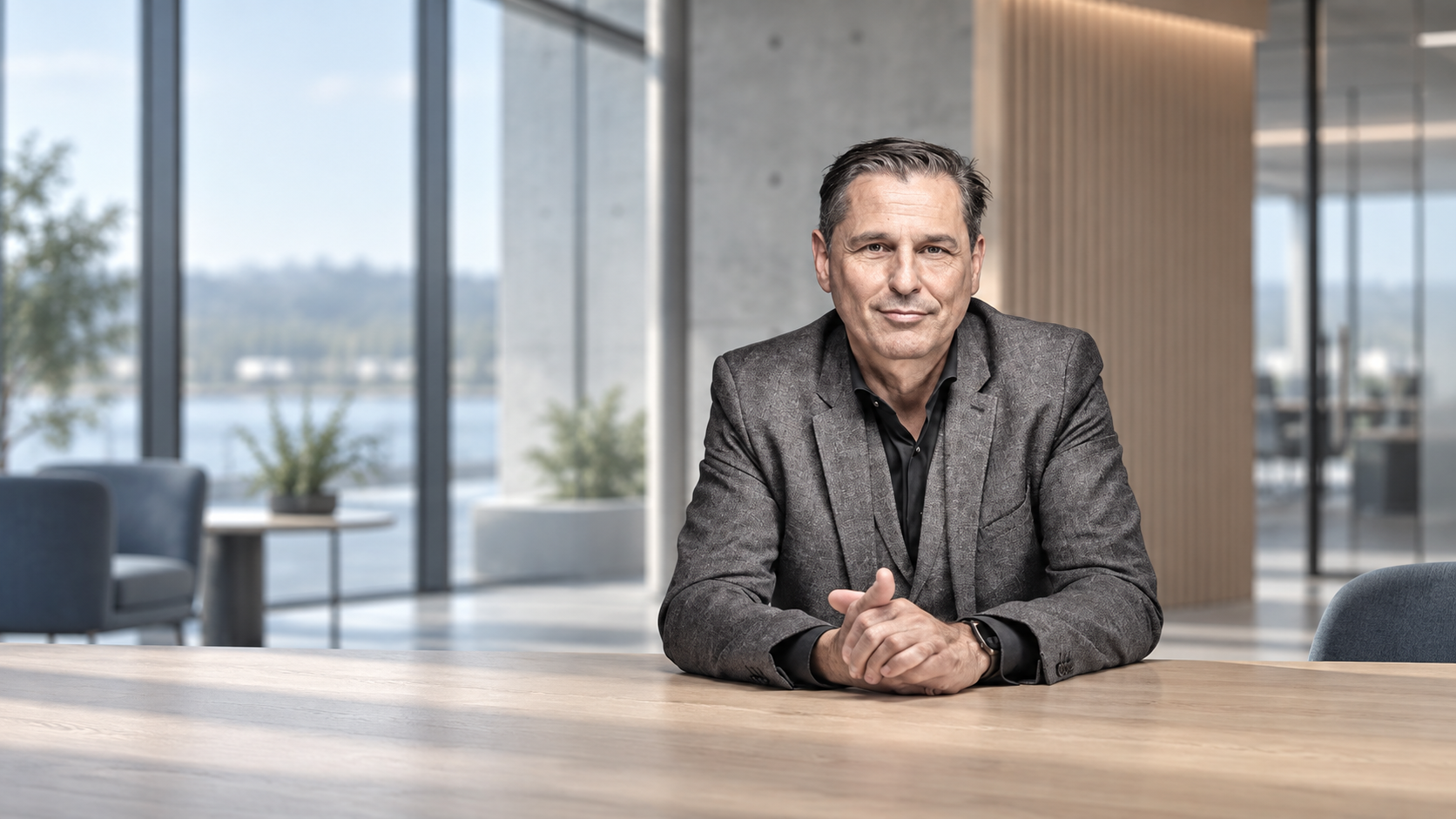
Volvo Cars announced the appointment of Klaus Zellmer as president and CEO on September 20, 2026. He currently leads Škoda Auto and previously spent more than two decades at Porsche, including a role on the board of Volkswagen Passenger Cars. However, Volvo will not change CEOs immediately: Zellmer is officially expected to take up the position no later than October 1, 2027.
Key facts about the appointment
the Volvo Cars board’s decision was published on September 20, 2026;
as of September 21, 2026, Klaus Zellmer continues to lead Škoda; his departure date has not been disclosed;
his exact first working day at Volvo has not yet been announced;
the deadline for taking up the position is October 1, 2027;
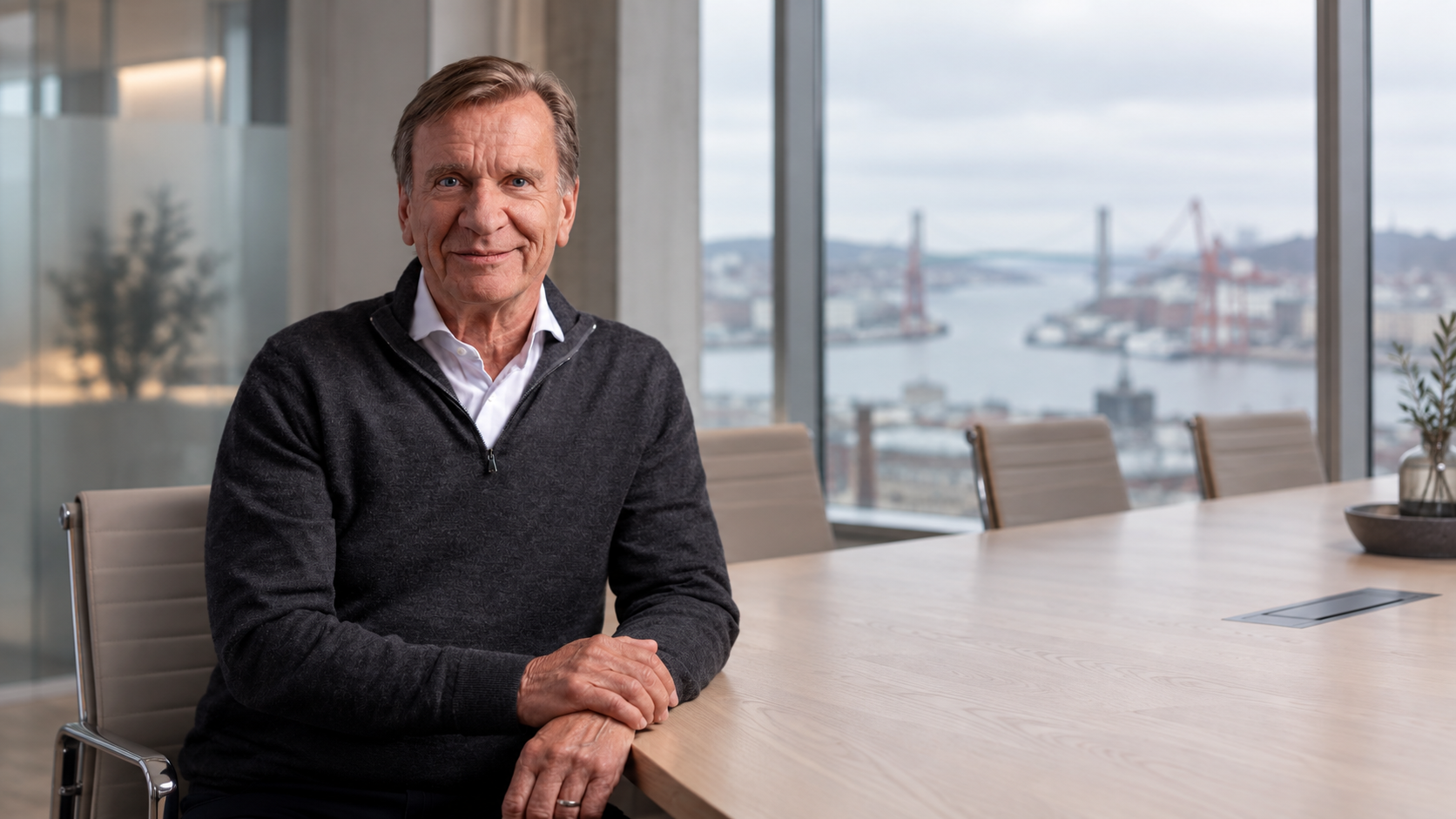
the transition will be prepared by current CEO Håkan Samuelsson together with the board of directors.
Why the date caused confusion
Early reports about the executive change stated that Zellmer would take over at Volvo as soon as October 1, 2026. However, the official Volvo Cars announcement uses different wording: the new CEO will take up the role no later than October 1, 2027.
This means the transition could happen earlier, but Volvo has not yet set a specific date. The difference is significant: this is not a matter of a few days after the announcement, but a transition period lasting up to a year. The company has also not said when Zellmer will leave his position at Škoda or who will succeed him at the Czech brand.
What should not be read into the appointment
Zellmer’s appointment does not confirm that Volvo plans to abandon any models, platforms or powertrains. The manufacturer has not linked the executive decision to the cancellation of specific projects. For now, it only indicates a change in leadership while the previously announced strategy remains in place.
Transition timeline
Date | Event | Why it matters |
|---|---|---|
July 1, 2022 | Klaus Zellmer became CEO of Škoda Auto | He joined the company as it expanded its electric lineup and the European car market was undergoing change. |
March 30, 2025 | Volvo announced Håkan Samuelsson’s return | He was appointed for a two-year term to stabilize the company and prepare a long-term successor. |
April 1, 2025 | Samuelsson resumed his duties as Volvo CEO | This is his second period at the head of the company, following his tenure as CEO from 2012 to 2022. |
September 17, 2026 | Volvo presented an updated development plan through 2030 | Implementing this program will be one of the main tasks facing the future CEO. |
September 20, 2026 | The Volvo board appointed Zellmer as the next president and CEO | The appointment was made, but the responsibilities have not yet been transferred. |
No later than October 1, 2027 | Zellmer is expected to start work at Volvo | This is the deadline, not necessarily the exact date of his first working day. |
Why Volvo chose the Škoda chief
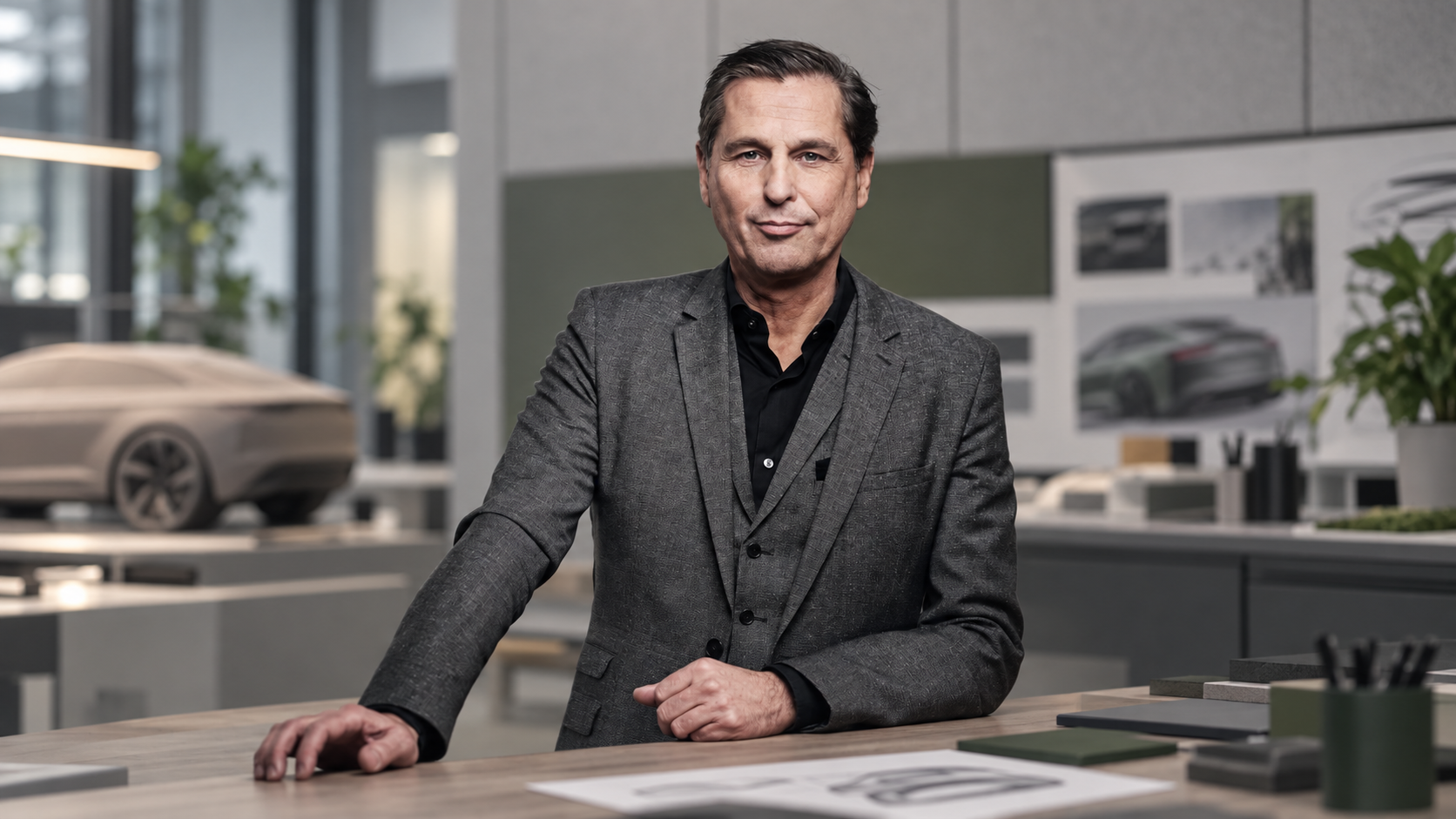
Zellmer has led Škoda since July 1, 2022. His appointment and previous positions are detailed in the official Škoda Auto biography. He began his automotive career at Porsche in 1997, later headed Porsche Germany, and became president and CEO of Porsche Cars North America in 2015. From September 15, 2020, he was responsible for sales, marketing and after-sales in the Volkswagen Passenger Cars board.
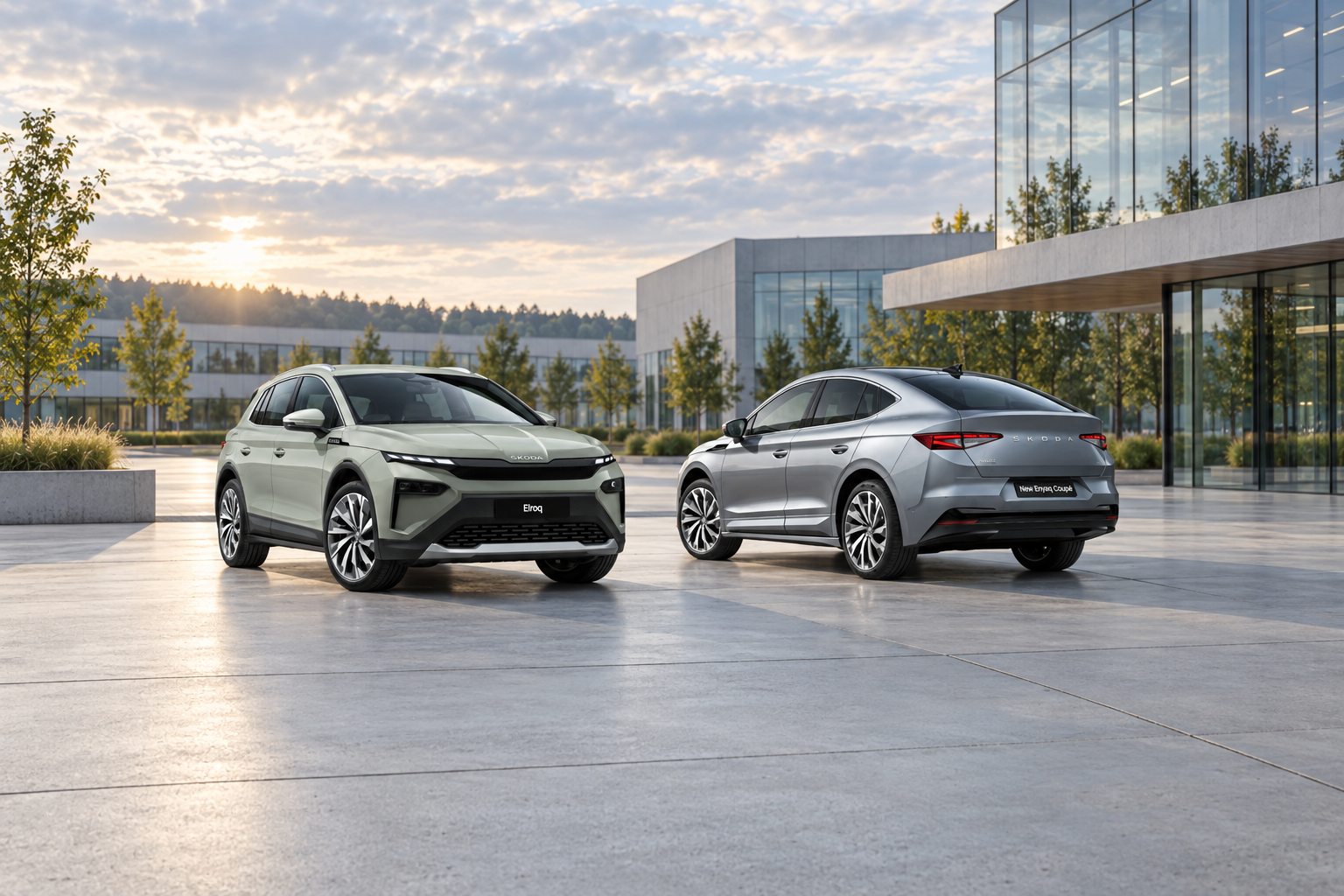
His tenure at Škoda coincided with noticeable growth for the brand. In 2025, the company delivered 1,043,900 vehicles to customers—12.7% more than a year earlier. Deliveries rose by a further 9.1% in the first half of 2026, reaching 555,700 vehicles. Sales of fully electric models reached 108,200 units, up 48.3% year over year.
These results do not prove that one executive personally delivered all of the growth: sales are influenced by the model range, production, demand, regional operations and the broader policy of Volkswagen Group. However, the figures help explain why Volvo’s board highlights Zellmer’s experience in managing a brand during periods of technological and market change.
The company he will take over
Zellmer will be expected to continue the plan presented by the current management three days before his appointment was announced. According to Volvo’s strategy announced on September 17, 2026, the company plans to launch 13 new vehicles by the end of 2030: seven for Western markets and six for China.
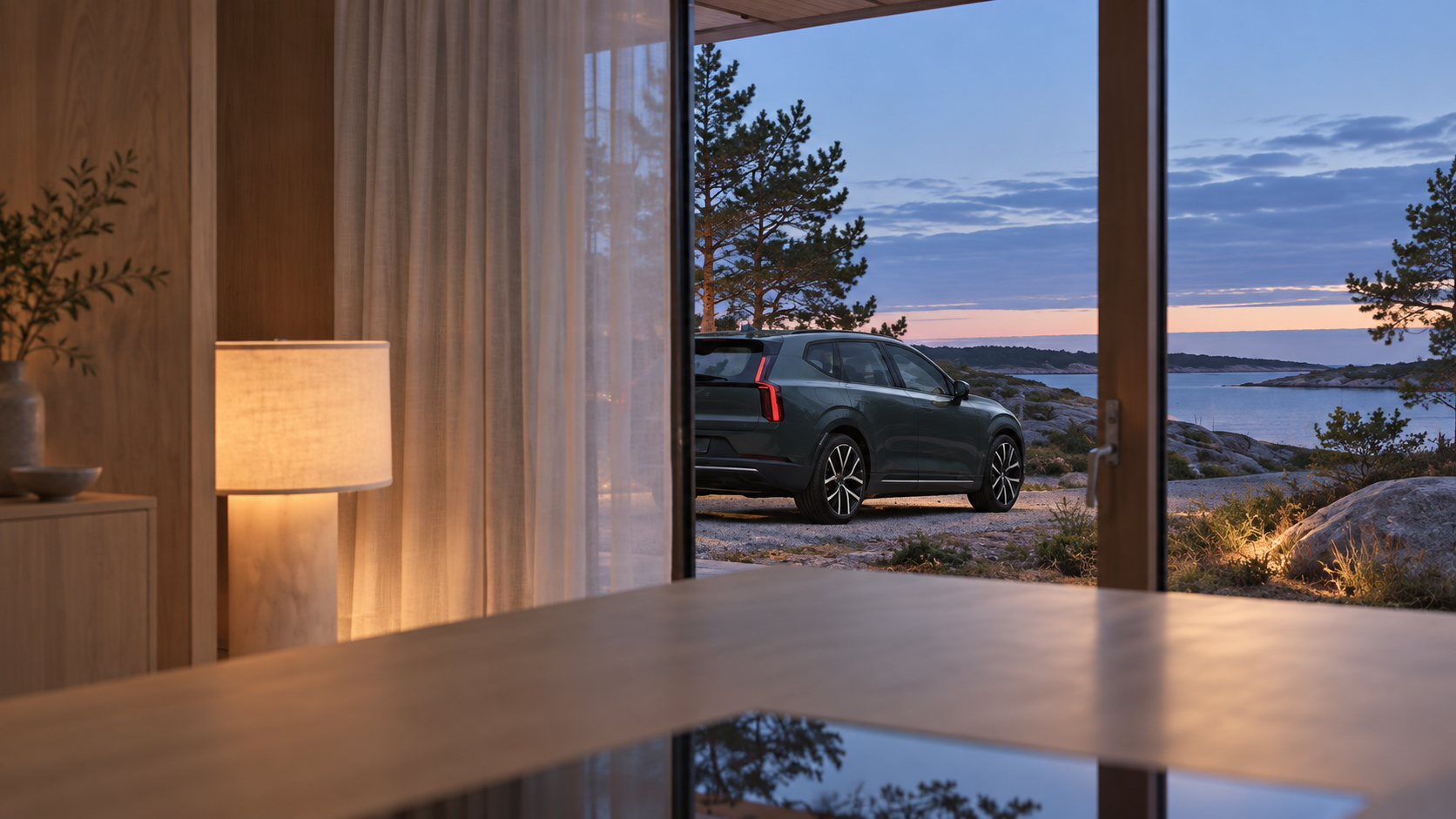
The plan is not limited to electric vehicles. Volvo intends to combine fully electric models with third-generation plug-in hybrids and differentiate its offerings more clearly for Europe, the United States and China. For Western markets, the company will use the SPA2 and SPA3 architectures, while Chinese models are to be developed in closer cooperation with Geely.
The same program sets a long-term target of operating EBIT above 8% and aims to double the company’s market share. These are company targets, not guaranteed results. Achieving them will depend on demand, development costs, tariffs, competition and the pace at which buyers switch to electrified vehicles.
What will change for Volvo buyers
In the coming months, the appointment itself should not change the cars in showrooms, warranty terms or service schedules. Zellmer has not yet started work, and the product program through 2030 was developed under the current management.
The effects of the leadership change will emerge later, through decisions about regional priorities, cost control and the pace of new-model launches. His experience at Porsche, Volkswagen and Škoda could benefit Volvo: he is familiar with both the premium segment and the mainstream European market. However, Zellmer has not yet made any official decisions about Volvo’s model range, so attributing future cancellations or premieres to him would be premature.
What remains unknown
the exact date of Zellmer’s departure from Škoda;
the name of the Czech company’s next CEO;
whether Zellmer could take up the Volvo position before October 1, 2027;
which product and regional-market decisions he will change after the transfer of responsibilities.
As of September 21, 2026, the key fact is confirmed: Volvo has chosen its next CEO, but the company has not yet come under his leadership. The announced strategy is currently being implemented by Håkan Samuelsson and the existing management team, while the exact timetable for the transfer of responsibilities has not been published.