 DE
German cars
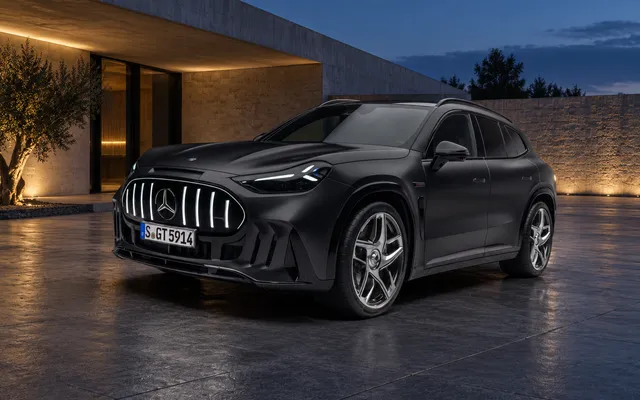 Nachrichten
Mercedes-AMG GT SUV: Unterschiede der drei Versionen und Laden mit bis zu 710 kW
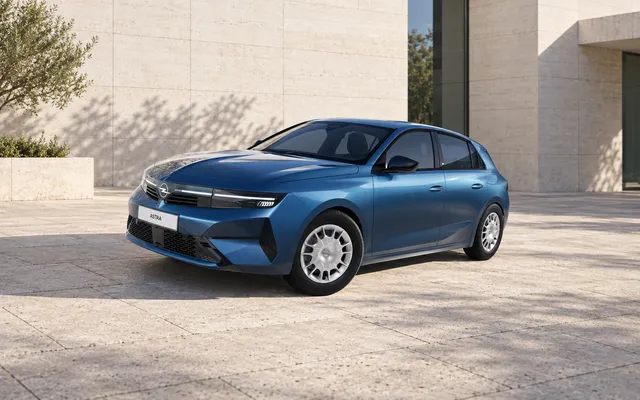 Nachrichten
Opel Astra Start wird günstiger: Das bietet die neue Basisversion
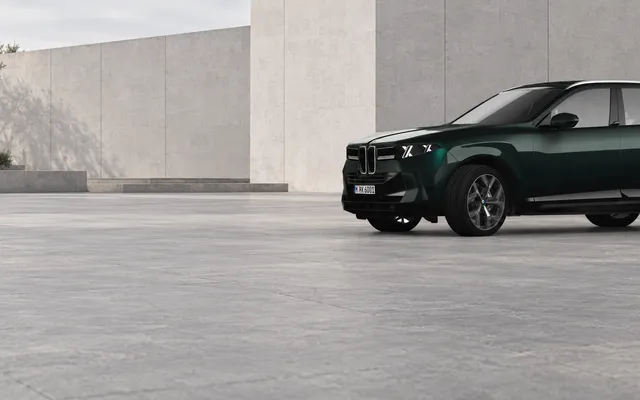 Nachrichten
Neuer BMW X5: Unterschiede zwischen 50e, M60e und dem elektrischen iX5
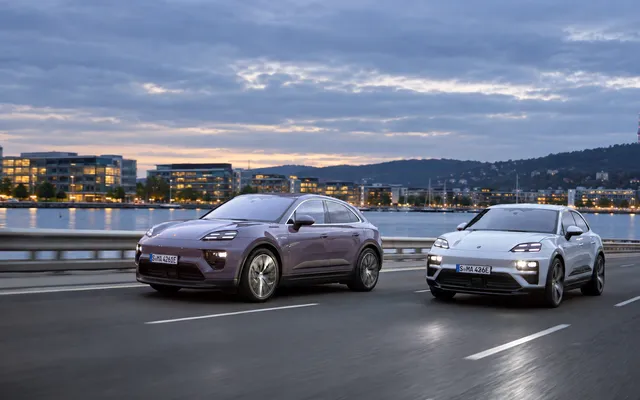 Nachrichten
Porsche ändert den Modellplan: Was mit Macan, 718 und dem Sportwagen über dem 911 passiert
 Nachrichten
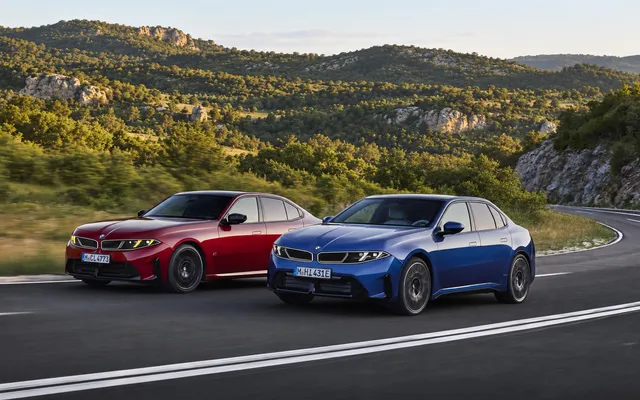
Ein Design, zwei Konstruktionen: So unterscheidet sich der neue BMW 3er vom i3
 Nachrichten
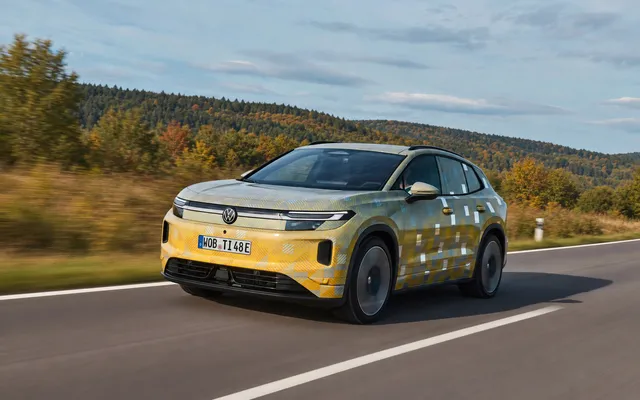
Volkswagen ID. Tiguan ersetzt ID.4 und ID.5: Was vor der Premiere bekannt ist
 Nachrichten
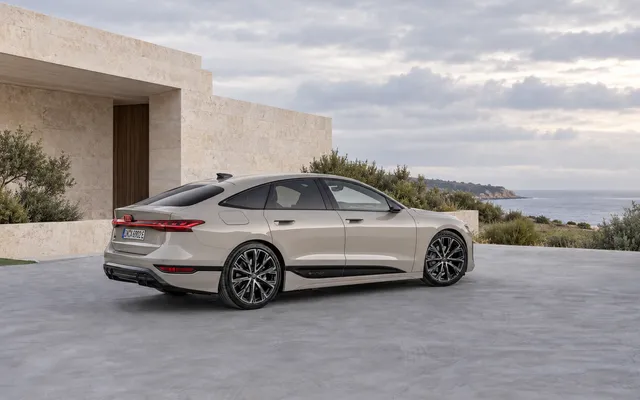
Audi A6 e-tron fährt 1338 km ohne Laden: Was der Rekord für Alltagsfahrten bedeutet
 NachrichtenVideo
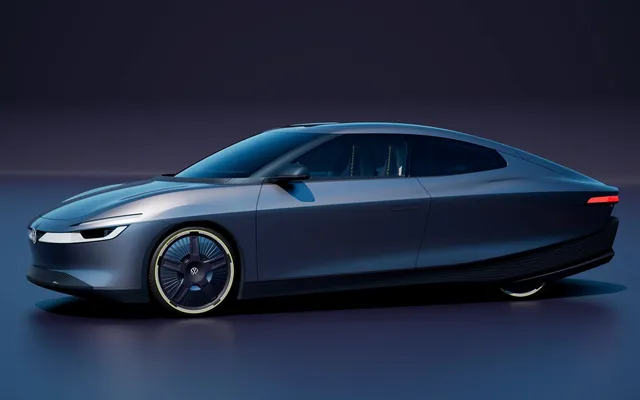
Volkswagen Mission Efficiency: Was hinter 1278 km mit einem Ladestopp steckt
 Nachrichten
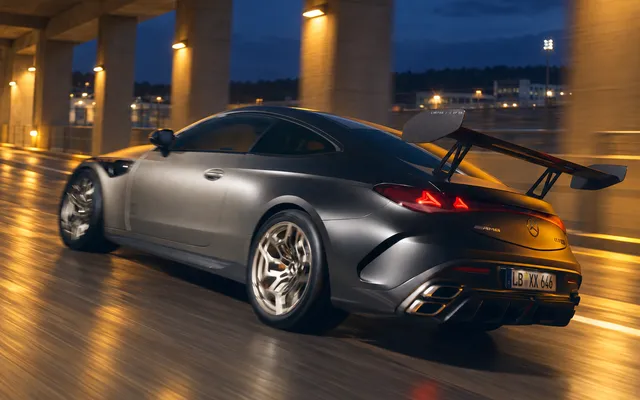
Mercedes-AMG CLE 646: Was sich mit der Rückkehr des V8 ändert
 Nachrichten
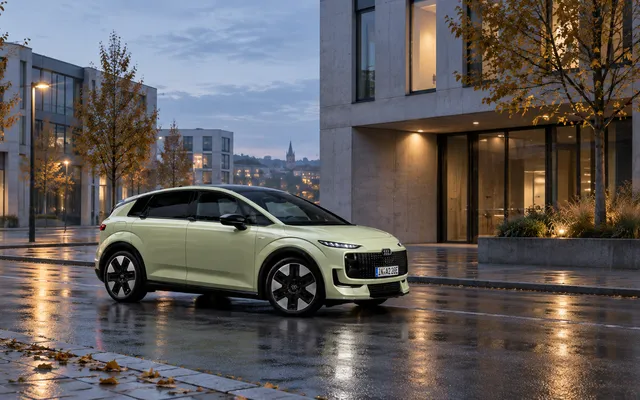
Audi A2 e-tron: Der sparsamste Audi – aber alltagstauglich?
 NachrichtenVideo
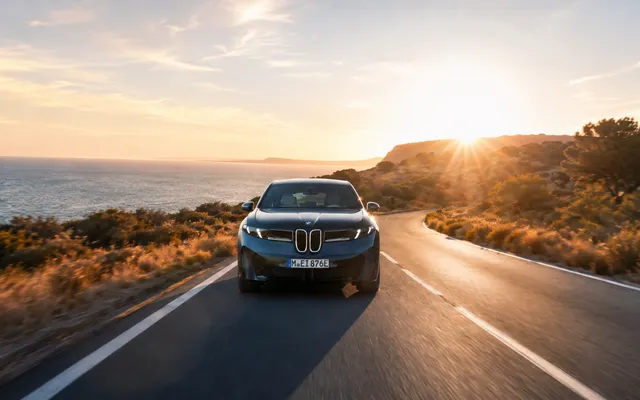
BMW iX3 Neue Klasse: Was sich beim ersten Elektro-BMW der neuen Generation ändert und wer auf ihn warten sollte
 Nachrichten
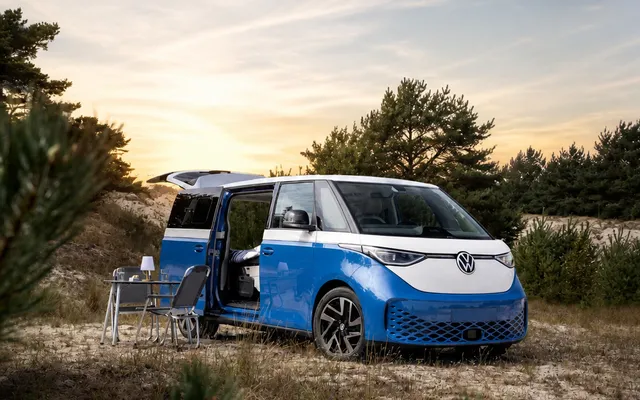
Der erste elektrische Volkswagen California: Was der ID. California Cruise unterwegs und auf dem Stellplatz kann
The "German cars" section is a structured look at vehicles for which precision, logic and build quality matter. There are no loud promises here — only proven solutions, the evolution of technologies and an understanding of why the German automotive industry remains a benchmark for the entire sector.
German cars traditionally prioritize a balance between dynamics, comfort and durability, as well as continuous technological development.
Popular brands and the philosophy of the German automotive industry
Classics adapted to the modern era
In this section you will find material about brands such as BMW, Mercedes-Benz, Audi, Volkswagen, Porsche and other manufacturers shaping the face of the European market.
We examine:
the evolution of design and platforms
the development of petrol, diesel, hybrid and electric powertrains
differences between models in terms of equipment level, handling and practicality
The German automotive industry maintains continuity in engineering solutions while adapting to new environmental and digitalization requirements.
Technology, safety and comfort
A rational approach to innovation
German manufacturers traditionally introduce technologies gradually, paying special attention to their reliability and real-world benefit. In the section's articles we analyze:
modern driver assistance systems
digital instrument panels and multimedia platforms
active and passive safety systems
suspension and chassis characteristics
Special attention is paid to how new technologies affect the everyday operation of the car.
German cars in the global market
Europe, the CIS and export markets
We also examine the positions of German cars in the markets of Europe, CIS countries and other regions. We analyze model popularity, the features of local versions, and how buyer preferences change amid growing competition and the shift to electric vehicles.
Conclusion
The "German cars" section is a structured look at vehicles for which precision, logic and build quality matter. There are no loud promises here — only proven solutions, the evolution of technologies and an understanding of why the German automotive industry remains a benchmark for the entire sector.


