

Ford and Renault Group have signed an agreement to develop two new Ford-branded passenger EVs for the European market. The first is due to go on sale in early 2028.
Against this backdrop, talk has turned to a possible return of the Ford Fiesta. For now, though, that is only speculation. The official Ford and Renault announcement does not mention Fiesta, show future cars, or provide technical specifications. What is confirmed is different: the new EVs will use Renault Group’s Ampere platform and will be built in northern France.
What Ford and Renault have confirmed so far
The companies have agreed to work together on two different Ford EVs. Ford is responsible for the design, while development is being carried out together with Renault Group. Renault will provide the Ampere platform, manufacturing capacity, and the ecosystem needed to produce the EVs.
Assembly is planned for northern France within Renault’s ElectriCity industrial network. Ford says the future models will have their own design, the brand’s characteristic driving dynamics, and a distinct identity. These are meant to be standalone Ford cars, not Renaults with different badges.
Parameter | What is known |
Number of models | Two different Ford passenger EVs. |
Technical basis | Renault Group’s Ampere platform. |
Design and character | Ford is creating the design; development is being done with Renault Group. Ford promises distinct handling and a model character of its own. |
Production | Renault Group will build the cars in northern France, within the ElectriCity industrial network. |
Timing | The first EV is expected in showrooms in early 2028. |
Name and specifications | Not officially disclosed. According to Autocar, the first could be a compact EV - a likely Fiesta successor - and the second a small crossover. Ford has not confirmed those details yet. |
Price | The models are described as affordable, but no specific prices have been announced. |
Why Ford needed Renault
The partnership gives Ford access to a ready-made EV platform, Renault Group’s manufacturing base in France, and its supply chains. The companies expect to use their combined scale to bring new models to market more efficiently and compete in Europe.
The context is very clear: the affordable EV segment in Europe is becoming more competitive. Car and Driver links the partnership in part to the rise of low-cost Chinese EVs. Ford and Renault themselves say the goal is to improve efficiency and competitiveness in a fast-changing European automotive market.
This is not Ford’s first platform partnership in Europe. The electric Explorer and Capri are based on Volkswagen’s MEB architecture, which is also used by the Volkswagen ID.4 and ID.5. The new project with Renault concerns a smaller and more affordable segment.
Why everyone is talking about Fiesta
The Ford Fiesta remains one of the brand’s best-known compact models in Europe. Ford’s own page now states that Fiesta is out of production and directs owners to service, genuine parts, and used cars.
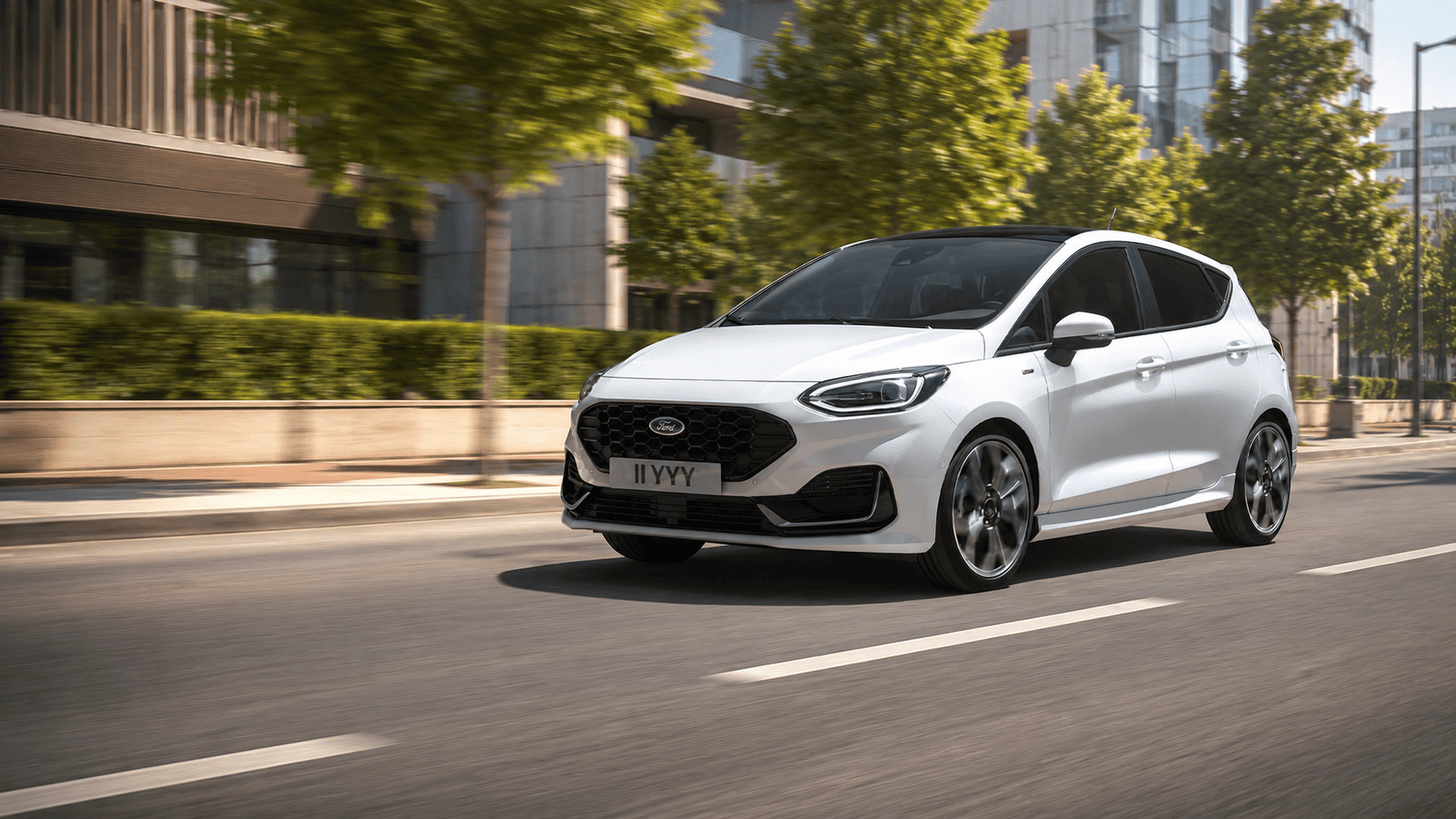
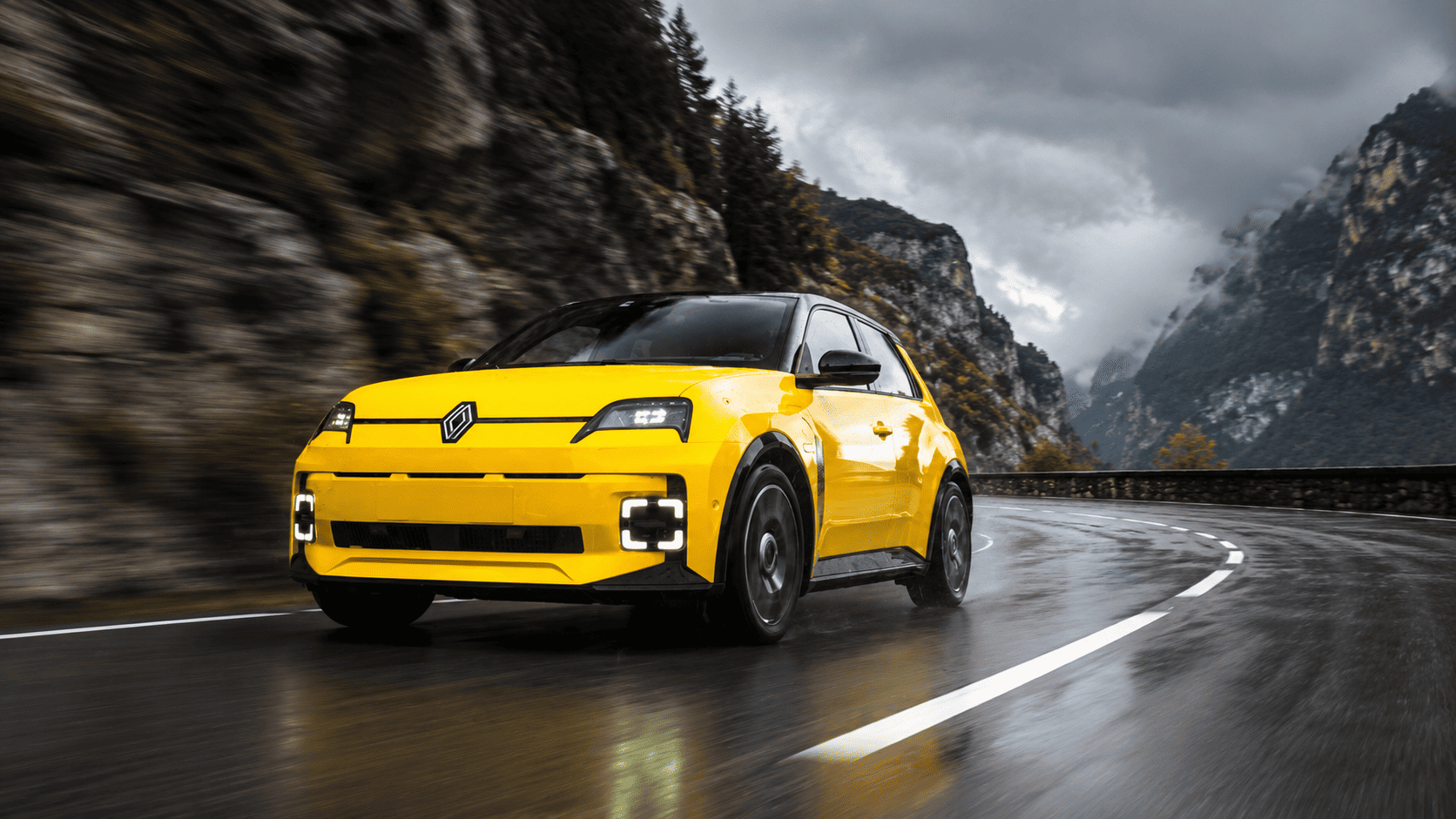
Ford has not confirmed that one of the future EVs will be called Fiesta. But Autocar expects the first model to be a Fiesta successor, technically close to the Renault 5. Car and Driver also sees the Fiesta name making a comeback. These are industry media expectations, not an official Ford announcement.
Why a Fiesta comeback makes sense
The Fiesta was built across eight generations over nearly half a century and remained one of Ford’s key compact models in Europe. After production ended in 2023, the brand effectively left this segment.
Bringing back a familiar name could help Ford explain the role of the new compact EV in its lineup more quickly. But a familiar badge does not guarantee that the new model will feel like the old Fiesta. Ford has already used historic names in new formats: Mustang Mach-E became an electric crossover, while Capri returned as an electric fastback crossover.
What is known about Renault’s platform
Ford and Renault’s official announcement refers to the Ampere platform. The exact version of the architecture for the future Fords has not been named. The size of the cars, body styles, batteries, and powertrains have also not been revealed.
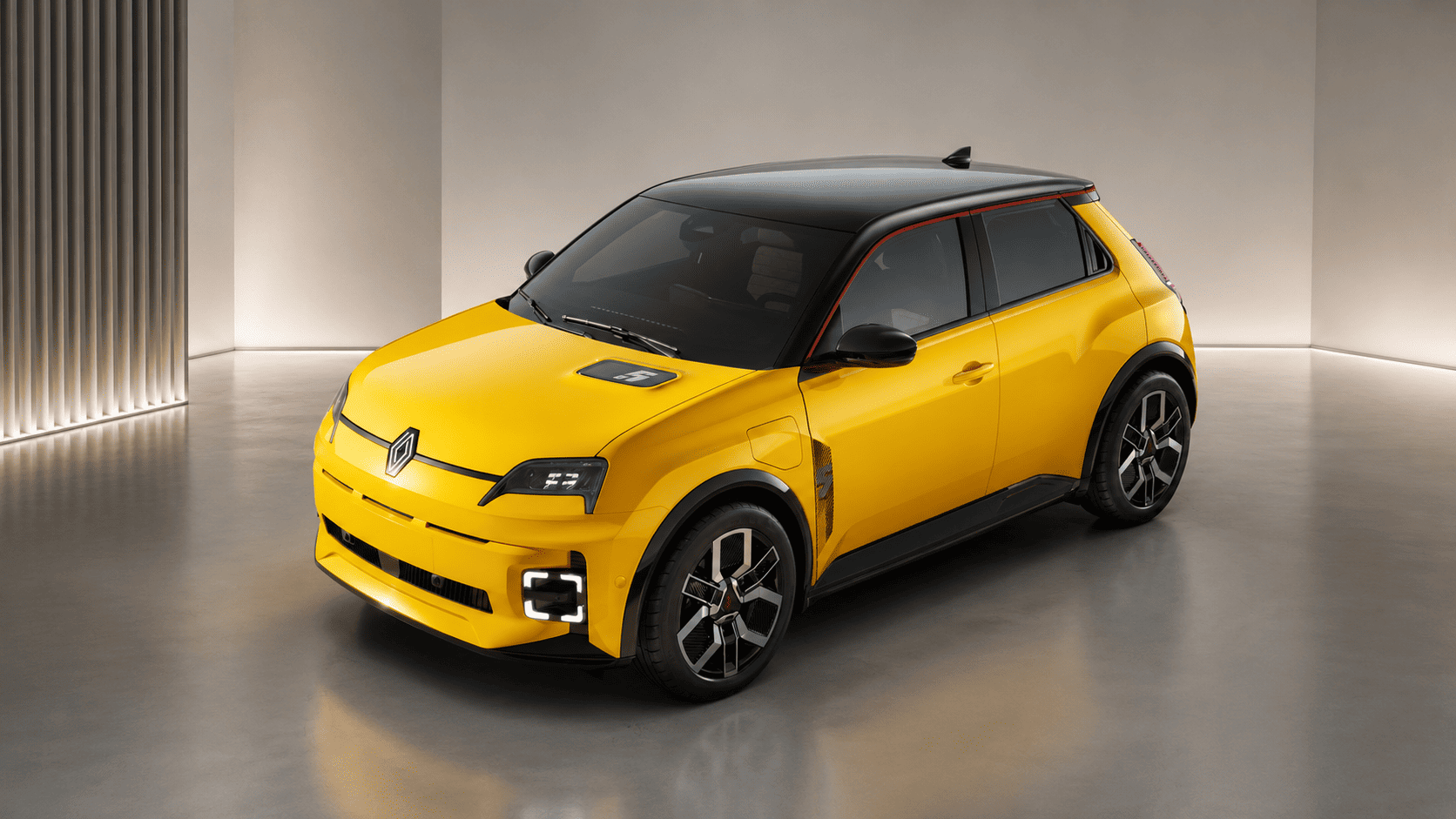
Renault already has a compact EV architecture called AmpR Small: Renault 5, Renault 4, Twingo, Alpine A290, and Nissan Micra are built on it or will be. However, Ford has not confirmed whether its future models will use exactly that configuration.
A shared platform does not make the cars identical
A platform defines the basic structure of a car, but it does not have to determine its exterior, interior, or handling character. Ford is designing the new models and promises its own dynamics. How different they will feel in practice can only be judged after the technical data and first test drives are released.
What we still do not know
The official announcement does not mention battery capacity, driving range, motor output, charging speed, dimensions, trim levels, or prices. The launch date for the second model has also not been announced. These are the details that will show how well the future Fords can compete in the mass EV market.
Charging infrastructure will also matter to European buyers. The AFIR regulation sets EU-wide requirements for alternative-fuel infrastructure. But the real convenience of travel in future Fords will depend on the country, the route, and the cars’ own specifications.
Separate possible cooperation on commercial vehicles
Beyond the two EVs, Ford and Renault have also signed a letter of intent on light commercial vehicles in Europe. The companies are only exploring the possibility of jointly developing and producing selected models under both brands. Specific vans, timing, and production volumes have not yet been approved.
Bottom line
Ford has not announced a new Fiesta yet. What is confirmed is this: Ford and Renault are jointly creating two affordable EVs for Europe, with the first due in early 2028. Ford is handling the design and model character, while Renault is providing the platform and production in France.
A likely Fiesta return remains speculation. But the partnership could become part of Ford’s effort to strengthen its position in Europe after ending Fiesta and Focus production, and to re-enter the compact segment with more affordable EVs.