 EN
EN

Frequently asked questions
It has a 324-hp plug-in hybrid powertrain with all-wheel drive. Toyota estimates its combined electric range at 48 miles, or about 77 km, from a fully charged battery.
The GR Sport has dedicated spring and damper tuning, a reinforced rear subframe, a front damper, unique electric power-steering calibration in Sport mode, 15 mm less ground clearance and wheels with greater offset. These changes do not increase power.
The XSE has the same 324-hp powertrain and all-wheel drive, but Toyota estimates 52 miles, or about 84 km, of electric range. It also has an 11-kW AC charger and supports DC fast charging through CCS1, while the GR Sport is listed with 7-kW AC charging and a J1772 port.
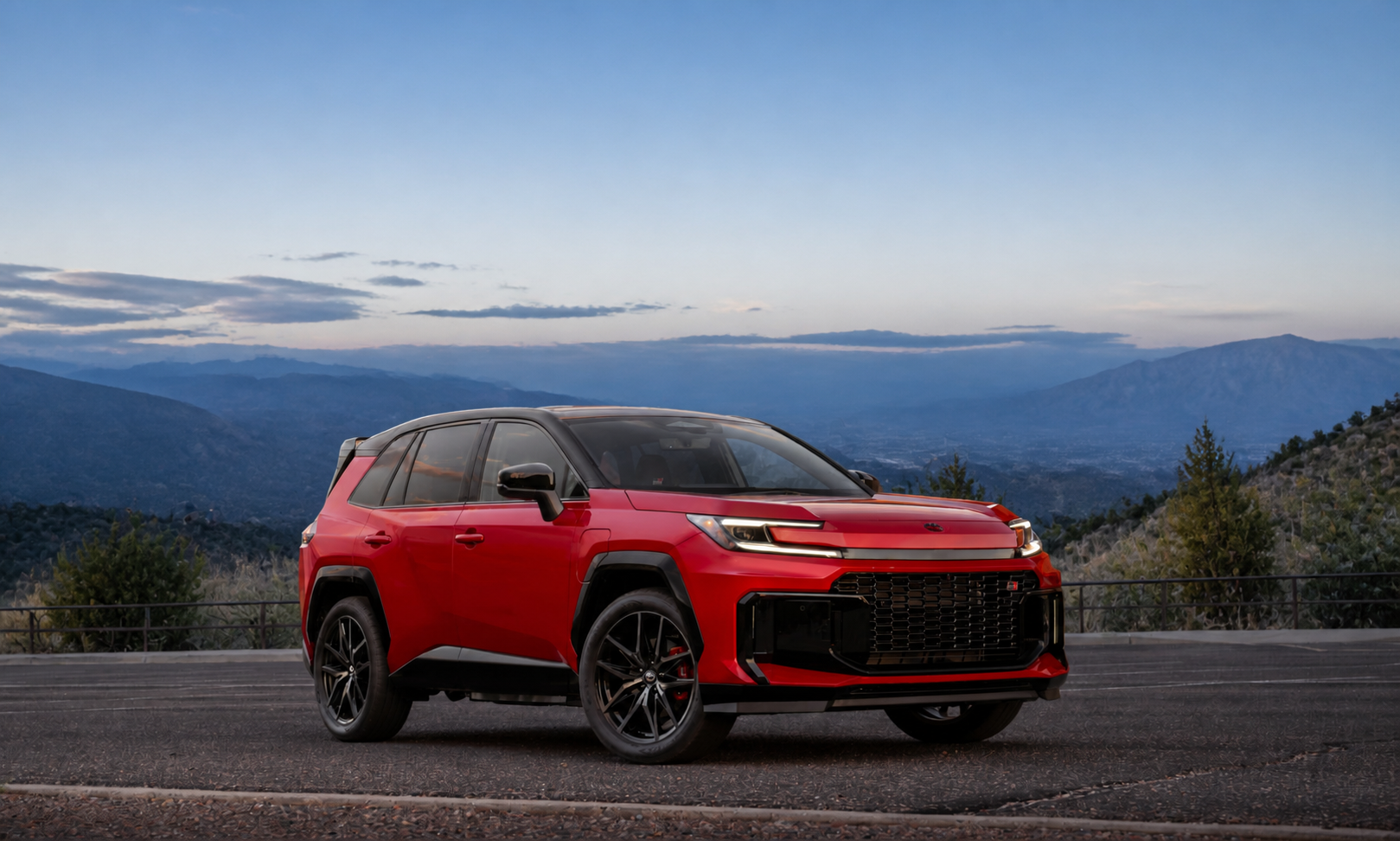
On May 20, 2025, Toyota unveiled the sixth-generation RAV4 and added a GR Sport version to the US lineup for the first time. It produces 324 hp, has all-wheel drive and a plug-in hybrid powertrain, but this trim is about more than badges. Toyota revised the suspension, steering and wheel geometry. At the same time, the GR Sport trails the similarly priced XSE in electric range and charging capability.
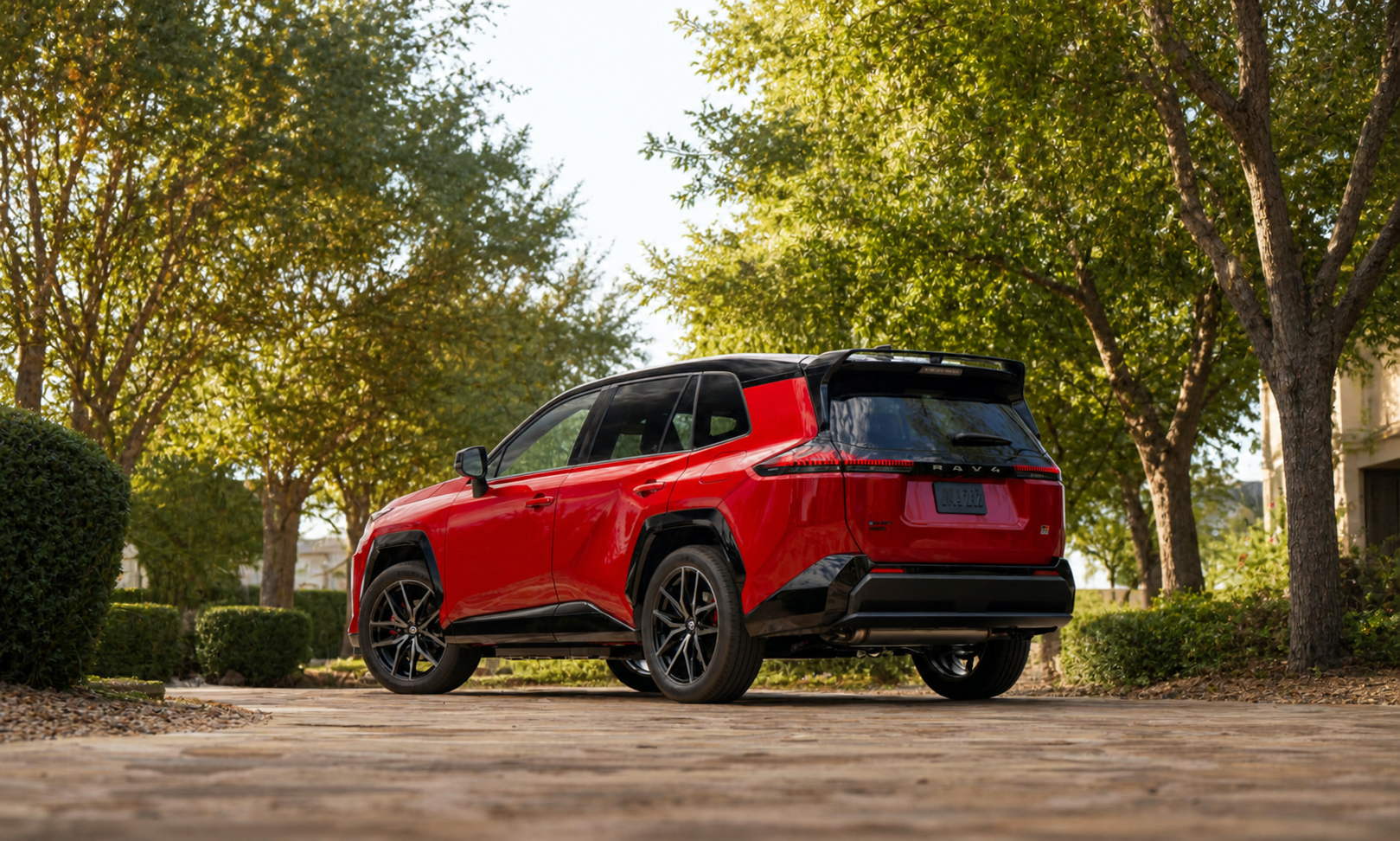
The RAV4 GR Sport PHEV is not simply an “RAV4 with a body kit.” But it is not automatically the best PHEV version, either: the right choice depends on whether the driver values sharper cornering responses or easier long-distance travel.
What Toyota has confirmed
In its official announcement dated May 20, 2025, Toyota called the GR Sport the first RAV4 version of its kind for the US market. It is available only as an all-wheel-drive PHEV. The current RAV4 Plug-in Hybrid page lists a starting MSRP of $48 500 for the GR Sport. That is the US price and does not reflect pricing or trim availability in other markets.
The powertrain produces a combined 324 hp. Toyota rates the GR Sport at 48 miles, or about 77 km, of combined electric range from a fully charged battery. This is the manufacturer's estimate, not a promise that every owner will achieve the same result in city traffic, winter conditions or at highway speeds.
What the GR Sport adds mechanically
The version has dedicated damper and spring tuning, a reinforced rear subframe, a front damper and a unique electric power-steering calibration in Sport mode. Ground clearance is reduced by 15 mm, while the wheels have a greater offset. Summer tires can be ordered on the 20-inch wheels; all-season tires are also available.
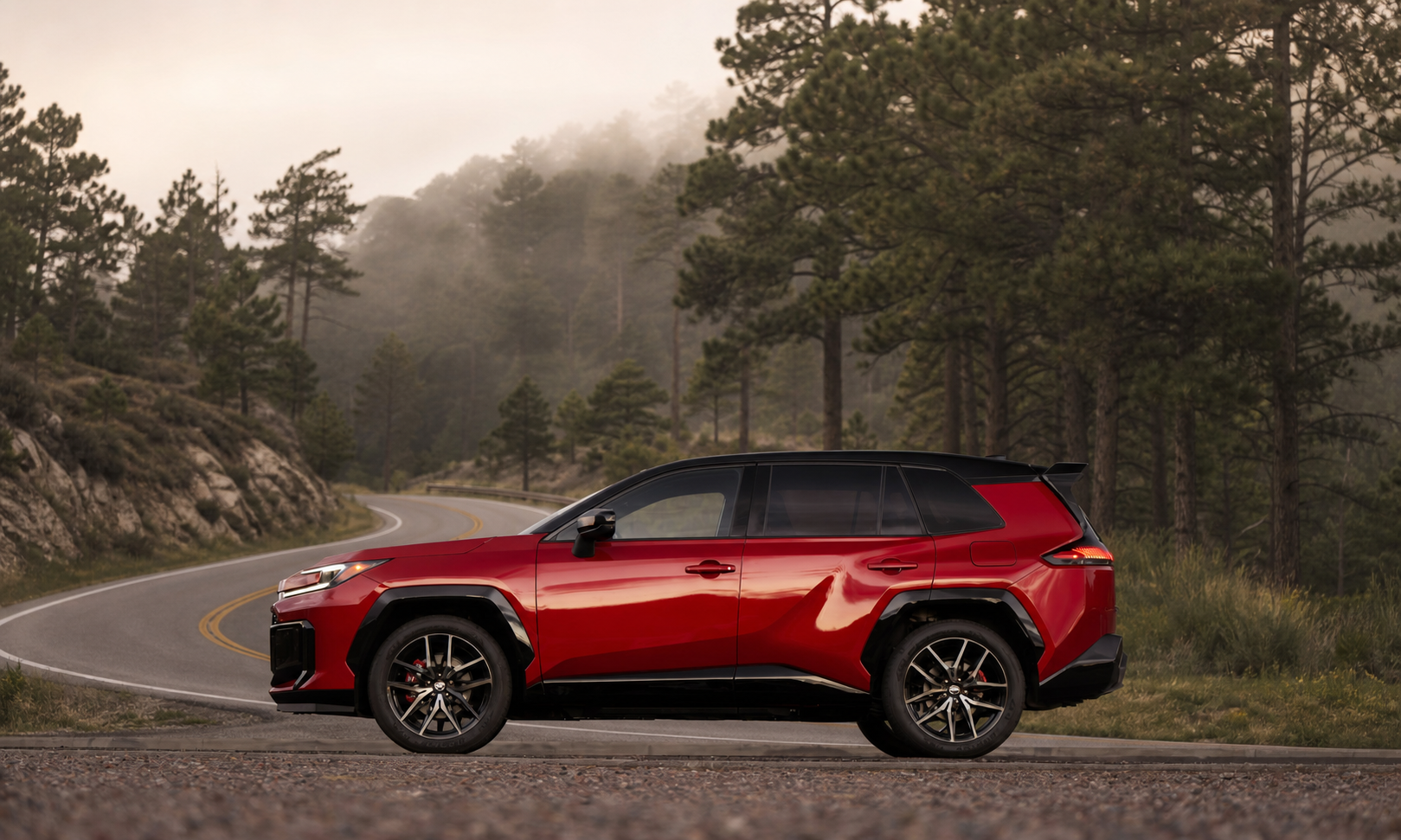
These changes are listed in Toyota's official 2026 RAV4 lineup guide. They do not increase power compared with the other PHEV versions, but they should reduce body roll and make steering responses feel more controlled. You are paying for chassis tuning, not extra horsepower.
US-market specification | RAV4 PHEV XSE | RAV4 GR Sport PHEV | What matters to buyers |
|---|---|---|---|
Starting MSRP | $47 200 | $48 500 | A $1 300 difference before options and mandatory fees |
Powertrain | 324 hp, PHEV, AWD | 324 hp, PHEV, AWD | The GR Sport has no power advantage |
Claimed electric range | 52 miles / about 84 km | 48 miles / about 77 km | Toyota estimates that the XSE goes 4 miles farther |
Charging | 11 kW AC, CCS1 and DC fast charging | 7 kW AC, J1772 | The XSE is more convenient if the vehicle regularly travels long distances |
Chassis | Standard XSE tuning | Dedicated springs, dampers, reinforcements and steering calibration | The GR Sport is aimed at drivers who will notice the handling difference |
When the GR Sport makes sense
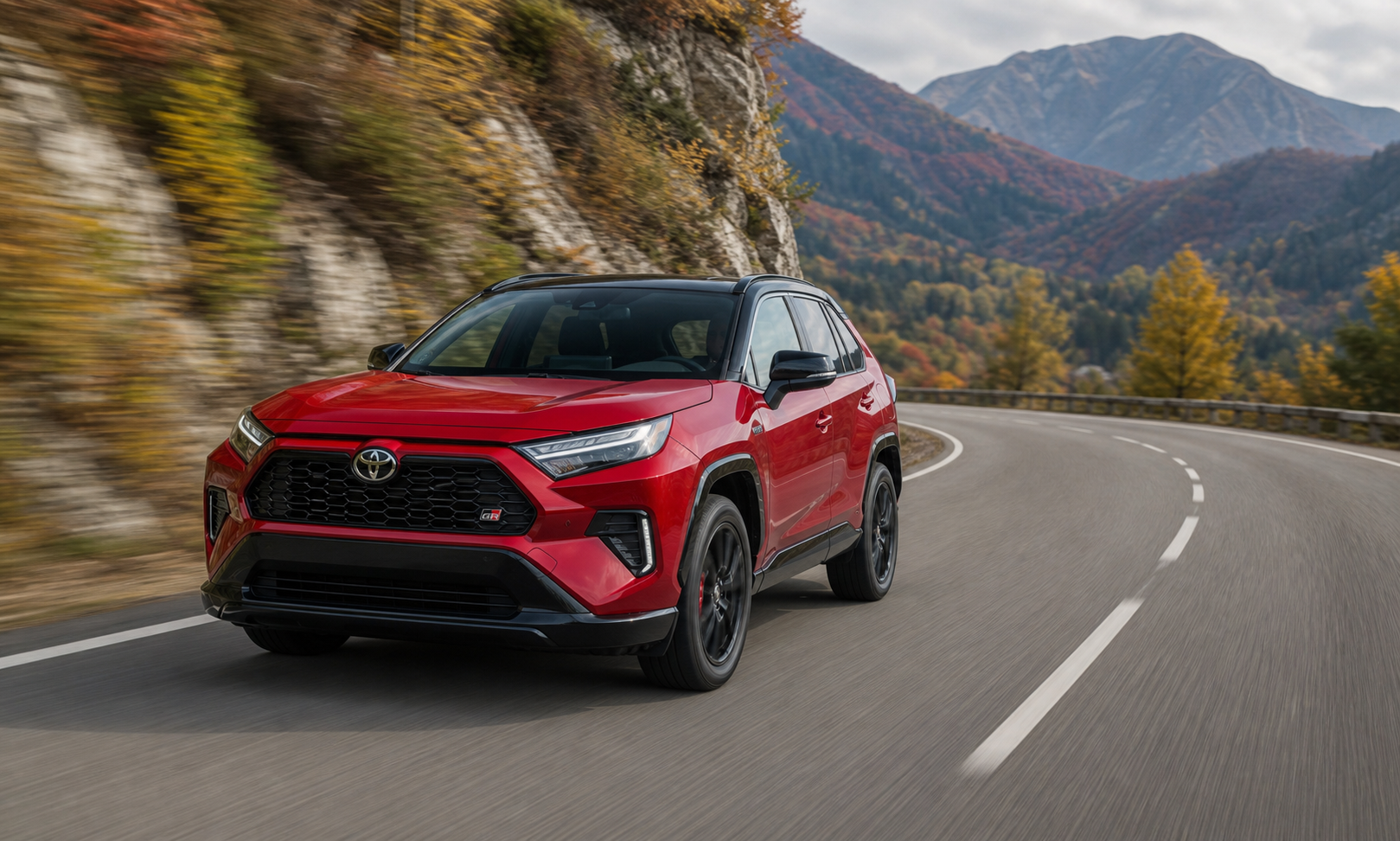
This version is aimed at drivers choosing a RAV4 for more than cargo space and fuel economy. The lower ride height, dedicated chassis tuning and summer tires may make the crossover feel more precise on winding roads. For this type of buyer, the $1 300 gap between the XSE and GR Sport starting MSRPs is not simply a charge for exterior trim; it pays for specific chassis components.
Check these points before ordering
Do you need DC fast charging on long trips?
Are you comfortable with the lower ground clearance and 20-inch wheels on rough roads?
Can you charge the PHEV regularly at home or at work?
Will the difference in handling matter more to you than additional electric range?
Where the XSE is more practical
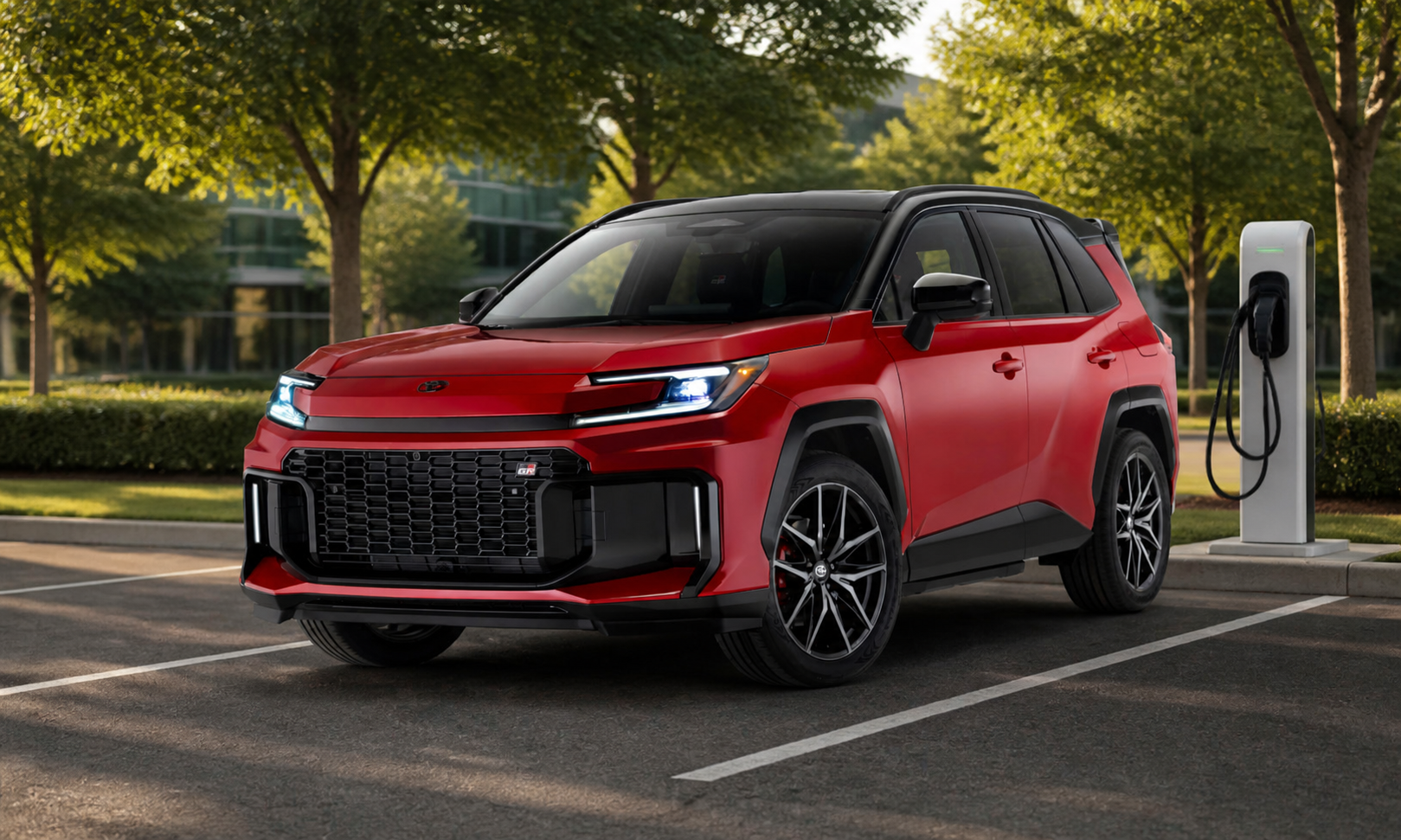
The XSE has the same combined power and all-wheel drive, but its claimed electric range is longer and its onboard AC charger is more powerful. The XSE also supports DC fast charging through CCS1, while the GR Sport is listed with a J1772 port and AC charging of up to 7 kW. For drivers who want to use the PHEV more often as an electric vehicle on daily and intercity trips, this is a meaningful difference.
A plug-in hybrid can still run on gasoline when the battery is depleted, but the financial and efficiency benefits of a PHEV depend on regular charging. The US Department of Energy explains that plug-in hybrids combine grid charging with a gasoline engine; without charging, much of the vehicle's electric capability goes unused.
The takeaway: two different priorities, not “sporty” versus “ordinary”
The GR Sport answers the question of how to make the RAV4 PHEV more engaging to drive. Toyota has confirmed genuine chassis upgrades, so calling the version purely cosmetic would be inaccurate. At the same time, the GR Sport should be chosen for its handling character, not maximum practicality.
If electric range, charging and road-trip versatility come first, the XSE is the more rational choice. If you want a PHEV crossover with sharper responses and are willing to accept less electric range and no DC fast charging, the GR Sport has a genuine reason to exist beyond marketing.